Search Results
207 results for “dog roundworm”

Why Is My Dog Pooping White Stools?
White or pale stools in dogs usually signal a digestive problem—most often gastroenteritis, though a grayish-white color can point to a blocked bile duct. Because stool color ranges from harmless to a sign of internal bleeding, a vet check is the safe move before symptoms are confirmed.

Common Parasites That Affect Dogs
Dog parasites split into internal, living in the gut, and external, on the skin. Roundworms, hookworms, heartworm, and tapeworms live inside; mange mites, ticks, and fleas live on the surface, and each brings its own risk.

Dog Has Diarrhea, Won’t Eat, and Is Lethargic
Diarrhea with no appetite and low energy usually traces to a chill, diet, or parasites — and bloody stool or collapse can mean parvo or distemper. Keep the gut calm with probiotics and a balanced diet; persistent or bloody cases need a vet fast.
Do Cats or Dogs Have More Parasites?
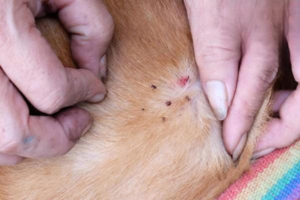
Cats and dogs share most parasites, so neither has 'more'; the load depends on environment and health. Roundworms, hookworms, tapeworms, and others cause real harm, and a regular deworming schedule keeps them down.

Why Is Your Dog Pooping Blood?
Blood in a dog's stool is a red flag that needs a clear diagnosis before treatment. The leading causes are parvovirus in unvaccinated puppies, intestinal parasites, swallowed foreign objects, and diet shocks such as sudden food changes or rich, spoiled food. See a vet quickly to find the cause rather than guessing.

Pet Skin Diseases (Part 1): Parasitic and Fungal Infections
Skin disease is common in dogs and cats and tends to flare up and recur, usually because their skin defenses are weak and their surroundings are full of triggers. The two hardest types to clear are external-parasite infestations (fleas, lice, mites, ticks) and fungal infections (ringworm); both cause intense itching, hair loss, and skin damage and need treatment of both pet and environment. Since they are contagious and slow to resolve, early veterinary care and consistent parasite control are the keys to recovery.

Why Spring Parasite Control Matters for Pets
Spring is peak parasite season, and both internal and external parasites threaten pets and can spread to people. Deworm puppies monthly until six months, then every 2–3 months internally and monthly externally; use vet-recommended products and follow dosing carefully.

How to Give Heartgard (Heartworm Preventive)
Heartgard is a beef-flavored monthly heartworm preventive that also treats roundworms and hookworms; give it on an empty stomach about an hour before food, dosed by weight. Safe for pregnant, lactating, and dogs over 6 weeks; re-dose weekly if worms appear.

How to Care for a Cavalier King Charles Spaniel
Cavalier King Charles Spaniels are gentle, food-loving, and need both steady nutrition and daily exercise to stay fit. Puppies need an early health check, a deworming plan, and a proper vaccination schedule — start around 2 weeks of age and follow up through adulthood.

Is It Safe to Sleep with Your Cat?
Sharing a bed is cozy, but not for everyone: cats are nocturnal and may disturb sleep, track litter, and trigger allergies or asthma in up to 30% of people. Keep the cat vaccinated and dewormed, separate it from infants, and make sure it's litter-trained first.