Search Results
51 results for “dog roundworm symptoms”

What Medicine Helps a Dog With Red, Itchy, Hair-Losing Skin
Red, itchy skin with hair loss in dogs is usually from a skin disease such as parasite bites, allergic dermatitis, ringworm, or eczema. The right medicine depends on the cause. Here is what to use.

Symptoms and Treatment of Chronic Colitis in Dogs
If your dog often has soft stools, excessive bowel movements, or has bloody stool and straining to defecate, then pay attention, the dog may have chronic colitis. Compared with gastroenteritis, you may be relatively unfamiliar with dog colitis. Today we specifically understand the symptoms and treatment of chronic colitis in dogs.

Why Is a Dog’s Stool Green?
A dog's normal stool should be yellow-brown, dry, and formed, so a dog's green stool is likely related to food, but it may also have colitis or a problem with the gallbladder. How to distinguish which reason causes the dog's green stool? We will tell you!

What to Do When Dogs and Cats Have Diarrhea? Keep These Fast Antidiarrheals on Hand
The medical term for diarrhea is diarrhea, which usually refers to changes in bowel habits and stool characteristics, generally manifested as frequent defecation, increased stool volume, loose stools, and bloody stool. Most diarrhea in dogs and cats is caused by gastrointestinal discomfort, but it may also be a concurrent symptom of other diseases. Today we discuss knowledge about diarrhea in dogs and cats.

Gastroenteritis in Dogs and Cats: Types, Symptoms & Medication
Gastroenteritis in dogs and cats spans gastritis (acute/chronic) and enteritis (viral, bacterial, parasitic). This guide covers causes, symptoms, and the medication approach—anti-inflammatories, anti-vomiting, anti-diarrhea, dewormers, probiotics—plus prevention.

Common Causes of Shivering in Cats and Dogs and How to Manage Them
Shivering is body trembling from cold, emotion, disease, or weakness—common in pets, and seizures include it. Causes range from simple cold to poisoning or infection; this article reviews them.

What Causes Acute Enteritis in Dogs and What Are the Signs?
Acute enteritis comes from bad food, chills, antibiotic overuse, or infections and parasites. Signs are diarrhea, vomiting (sometimes with blood), mucus stool, fever, and dehydration. Withhold food 24h, give fluids, and treat the root cause.
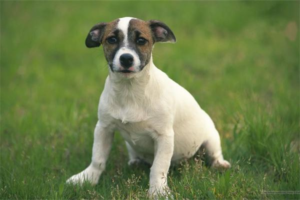
How to Tell If Your Dog Has Roundworms
Roundworms show as constipation or diarrhea (sometimes worms in stool), poor appetite, nausea, weight loss, dry coat, and itchy skin. A vet confirms by fecal exam, clinical signs, or ultrasound when heavy. Deworm with the right drug, keep a regular schedule (pups monthly, adults every 3 months), and maintain hygiene and diet control.
Why is my dog’s anus so dirty?
From the unclear photo, the area is dirty, possibly from diarrhea smearing fur, or from maggots or tapeworm. Maggots may follow an untreated wound; white worm-like things from the anus suggest roundworm or tapeworm, needing prompt deworming.
My dog is vomiting yellow foam, won’t eat, is weak all over, keeps lying on the floor, and has yellow diarrhea
Vomiting, diarrhea, and weakness usually signal a serious disease; severe vomiting/diarrhea can dehydrate and exhaust the dog, so it lies weakly — get to the vet for fluids and treat the cause. Common causes: acute gastroenteritis from overeating or spoiled food; infectious disease like distemper, parvovirus, or coronavirus; intestinal parasites like roundworm, hookworm, giardia; also chill, stress, organ injury, or poisoning.