Search Results
21 results for “dog rhinitis”

Rhinitis in Dogs and Cats: Symptoms, Treatment, and Prevention
Rhinitis is inflammation of the nasal mucosa, producing congestion, swelling, nasal discharge, and sneezing. It may be acute or chronic and is managed by clearing the nasal passages and treating the underlying cause, often with antibiotics when bacterial.
Is It Unhealthy to Let Your Dog Sleep in Your Bed?
Letting a dog sleep next to you can hurt your sleep and health. Dogs hear and smell keenly and wake easily at small lights, sounds, or odors, then pace or bark and disturb you. The bacteria they carry can irritate your airways or skin, constant closeness can make the dog overly dependent and anxious, and there is a real risk of accidentally rolling onto or stepping on it. When possible, keep separate sleeping areas; otherwise vaccinate, deworm, bathe, and clean regularly, and move a sick dog elsewhere.
Why Is Your Dog’s Nose Running
Dust, other irritants in the nose, or a sudden change in weather can all make a dog's nose run, and that is usually harmless. But thick, pus-like discharge with fever or cough, constant drooling, lost appetite, or a changed environment are reasons to pay attention. The discharge itself tells a story: thick mucus hints at bacterial or viral infection, thin watery fluid points to rhinitis or an upper respiratory infection, and pus suggests inflammation with pus formation. Many conditions can cause it - drug or food poisoning, food allergy, pulmonary edema, nasal stenosis, sinusitis, rhinitis, heartworm, canine flu, adenovirus II, infectious hepatitis, and distemper. The simplest check is to wipe the dog's nose with a tissue and look at the result.
Common Causes of Coughing in Dogs
Coughing in dogs most often points to a problem in the respiratory system, but it can also come from heart disease, infectious illness, a swallowed object, or even a fracture. Watching the type of cough - wet, dry, weak, or continuous - and noting whether the dog also loses appetite, runs a fever, or has nasal discharge helps you and your vet pin down the cause. A wet cough with phlegm suggests airway disease, a harsh dry cough may be kennel cough, a weak cough can mean pneumonia, and a repeated dry cough may signal heart trouble. Many conditions from roundworms to heart failure, tracheal collapse, pneumonia, and distemper can all show up as coughing, so persistent or severe cases deserve a veterinary check.
Why Is Your Dog Having Trouble Breathing
Difficulty breathing means changes in a dog's breathing rate, depth, and rhythm, often with the chest muscles working overtime to compensate. It is a common and serious sign of respiratory or other system disease. The causes fall into a few mechanistic types, and a sudden breathing struggle is always an emergency.
Why Does Your Dog Snore?
Snoring is air vibrating through the throat, nose, and pharynx; a low, steady sound is normal, but loud snoring means an abnormally narrow airway. Causes: respiratory illness (cold, rhinitis, tracheitis—watch for cough, sneeze, runny nose, lethargy, hard breathing), breed (flat-faced dogs like French/Boston Bulldogs have tiny nostrils and long soft palates, so they snore and need weight control plus avoiding heat and sudden exercise), environment (cold air or dust narrowing airways), and sleep pose (back-sleeping worsens it—use a round bed to discourage it).

Keep These Cleaning Products Away from Your Dog
Household cleaners carry more hazardous chemicals than you think, and they are far worse for dogs. Dogs spend nearly all their time on the floor, touching cleaners directly and absorbing them through paw pads and skin; even off the floor, their keen noses inhale the toxins. Five chemical groups to watch: ammonia (toxic, irritates the respiratory system; in glass/stainless cleaners, floor wax)—seek vet care if ingested. Chlorine/bleach (vomiting, diarrhea, burns, even seizures; in toilet/mold cleaners, detergent). Phthalates (linked to liver, testicular, pancreatic tumors; in nail polish, hairspray, soap, shampoo—avoid in dog toys). Glycol ethers (liver, nerve, digestive harm; in multipurpose/carpet/glass cleaners, hand soap; even 'natural' ones). Formaldehyde (irritates eyes/skin, slows breathing; in perfume, tissues, hand soap, nail polish). Also avoid 84 disinfectant (bleach-based, corrosive, causes chronic rhinitis).

Why Is My Dog’s Nose Running?
Dog nasal discharge comes from irritation of the nasal lining caused by chills, colds, or rhinitis, and its type offers clues: clear watery fluid usually means a chill, while thick or sticky discharge can signal distemper, pneumonia, bronchitis, or sinusitis. For a mild chill, keep your dog warm and hydrated; adjust the diet if it's heat-related. Persistent or accompanied discharge should be checked by a vet.
Dog Bloody Stool and Vomiting: Causes and Solutions
Dog vomiting with blood in the stool can stem from simple overeating, gastroenteritis, serious viral disease (distemper or parvovirus), or parasites. Overeating and rough play after meals cause acute vomiting; gastroenteritis brings recurring diarrhea and sometimes blood; parvovirus shows lethargy, foul diarrhea, and respiratory signs; long gaps since deworming point to parasites. See a vet for diagnosis, fast the dog, and use probiotics to support recovery.
Why Does My Dog Snore in Its Sleep?
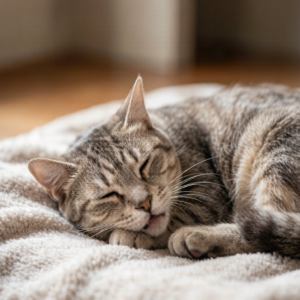
Dog snoring usually means the upper airway has narrowed so throat tissue vibrates, but the trigger varies: a lodged object, a long soft palate in flat-faced breeds, excess weight, smoke or air pollution, infection, or simply sleeping on the back. Judge by the cause. Fix posture for back-sleepers, slim down an overweight dog, raise room humidity, and for flat-faced breeds ask a vet about trimming an over-long palate. Occasional snoring is usually fine.