Search Results
173 results for “dog restless”
How to Train a Dog to Sleep in Its Bed
Many dogs resist the bed at first, but training matters: it gives them quiet rest, security, and protects their health. Start by placing the bed in a quiet, warm spot and letting the dog sniff and inspect it, with favorite toys or a towel inside to lure it in. Reward entry with treats or toys to build a positive link, then gradually lengthen time in bed. Keep a consistent sleep schedule by putting the dog to bed at the same time daily. If it still refuses, the bed may smell wrong or be too small or hard, so adjust it. Never punish; that only builds negative feelings.
Lice on Cats and Dogs: Symptoms, Risks, and Treatment
Lice peak in winter, especially in January, when thick coats let them breed undisturbed. They strike young, stray, and undernourished pets, causing itching, restlessness, hair loss, and in heavy infestations anemia and weakness. Two main types live on pets: blood-feeding sucking lice and coat-chewing lice, each with its own species on dogs and cats. Lice are host-specific and do not infect people, though fleas from pets can. This guide covers the types, the harm they do, how they are diagnosed, and how to treat and prevent them.

Why Dogs Resist the Crate and How to Help
Dogs resist the crate for a few reasons: it feels strange and limits freedom, it is uncomfortable, or the dog wants something like play. To reduce resistance, use a properly sized, cozy crate that lets the dog turn around, build security with familiar scents, and limit crate time so the dog does not become frustrated. Crates are useful when you are out, but otherwise let the dog roam freely.

What to Do When a Dog Barks in Its Crate
A dog that barks nonstop in its crate may be unsettled, uncomfortable, or asking for something, such as play, a walk, or release. Judge the cause by the situation. If you are crate-training and the dog is not yet used to it, do not open the door while it is worked up; wait until it calms down. During training, use treats to lure it in, and place favorite toys and an item with your scent inside to build comfort. Also use a crate large enough to turn around and keep it cozy.
Why Is Your Dog Drooling So Much?
A dog that drools a lot is not always just greedy. Drooling has many causes, and often it is a signal of illness worth noting. It may be dental problems or teething, a throat obstruction or injury, fear and anxiety, overheating, old age, or even car sickness. Most drooling is normal behavior, but if disease is suspected, see a vet.
Reading Your Dog’s 8 Common Behaviors
Dogs 'speak' through action. Chewing furniture may mean separation anxiety; yawning signals stress relief; bringing you an item asks to play or says 'I love you'; sitting on your lap claims you; sleeping on your bed protects you; a calm gaze is fine but a restless one needs care; a raised paw seeks attention or checks for injury; leaning on you shows trust.
How to Teach a Dog to Recognize Its Name
The first task after a dog arrives is choosing a name, but at first it doesn't know you're calling it. How do you teach that? Building a close bond and using the name at the right moments, with the right tone, helps a dog learn its name quickly and happily.
How Climate Change Affects Dogs
Autumn is the most comfortable season, loved by people and dogs alike. Notice that whenever weather changes, a dog's mood shifts noticeably. Heat: most dogs grow listless in hot seasons, preferring the AC; short-nosed breeds lose many companions each summer, and double-coated dogs struggle (owners go mad from shedding)—they need regular brushing for airflow. Cold: dogs turn lazy in severe cold, especially short-haired and lean breeds lacking insulation; long-haired and double-coated dogs thrive. Low pressure: dogs sense weather via air pressure and can foresee storms; the AVMA found pressure changes strongly affect behavior—restlessness, even aggression, or unusual excitement before storms. This doesn't permanently change behavior, but comfort an intense reactor. Do dogs get depressed? A UK vet charity survey found 40% of UK dogs show winter mood drops, suspected of Seasonal Affective Disorder (SAD); affected dogs sleep more and move less, and sunny outdoor time (as in human SAD treatment) eased symptoms—because winter SAD comes from extra melatonin, the sleep hormone, which sunlight stops the pineal gland from releasing.
6 Signs Your Dog Isn’t Getting Enough Exercise
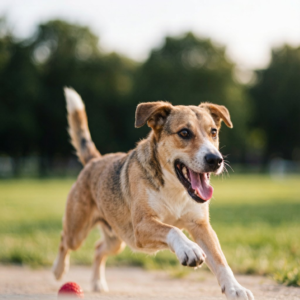
A dog's exercise need depends on breed, age, and size. Some dogs play hard outdoors daily; others only stroll the neighborhood—but every dog needs a sensible amount of activity. So how do you know yours is under-exercised? Watch for six signs: destruction (a normally calm adult wrecking the home needs an outlet, not a beating); rough play (an usually gentle dog throwing its whole weight around with others); obesity (too much food, too little movement—common in seniors, though sudden weight gain can signal illness); restlessness (pacing at night, especially in small breeds that still need 10–20 minutes of indoor play); excessive barking (pent-up energy venting as noise); and lethargy (a depressed, uninterested dog). Puppies need several 5–10 minute sessions; adults 30–60+ minutes (or under 30–60 for low-need breeds); seniors 2–3 sessions of about 30 minutes. Remember: for most dogs exercise is a walk, but don't ignore mental stimulation—especially for dogs that can't go out.
Why Your Dog Keeps Changing Sleeping Spots
If your dog keeps getting up and switching spots through the night, it usually means something is unsettling them. The most common reasons are an unfamiliar environment with no sense of security, separation anxiety after boarding or time away from you, nervousness triggered by strangers or new pets in the home, or an underlying physical problem that causes pain. Most cases improve with a stable routine and a safe, comfortable den, but restless sleep joined by other symptoms can point to illness and deserves a vet check. Watch closely and respond early.