Search Results
1542 results for “dog rest”
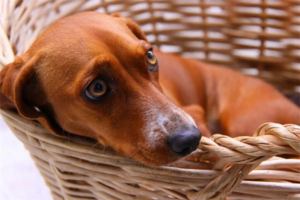
What to Do When a Dog’s Seizures Become More Frequent
When seizures grow frequent, see a vet to find the cause and a medication plan; tests like blood work or EEG may be used. Anti-seizure drugs such as diazepam or phenobarbital control episodes—give them on schedule, never change dose or stop on your own. Watch diet, sleep, and exercise for triggers, and avoid highly stressful or excited environments.

What Are the Symptoms of a Dog in Heat (Estrus)?
Male dogs in heat: frequent urination to mark territory; strong interest in females; restlessness and agitation; mild aggression; attempts to escape. Females: vaginal bleeding or discharge; raised tail exposing genitalia; clinginess and interest in males; possible appetite loss and anxiety. During heat, leash tightly to avoid mating or fights. If you don't plan to breed, consider spaying/neutering to avoid health and breeding risks.

Why Dogs Lose Appetite and What to Do
Dogs may refuse food for many reasons - unpalatable meals, physical discomfort, indigestion, illness, internal parasites, or being in heat. Identify the specific cause and respond accordingly. If the problem is food- or stomach-related, adjusting the diet and aiding digestion usually helps; if it is illness, prompt veterinary care is needed.
Why Dogs Refuse to Eat
There are many reasons a dog refuses food - improper feeding, a monotonous diet, indigestion, lack of exercise, low mood, being in heat, or illness. Address the specific cause with a targeted solution. To prevent anorexia, feed sensibly, choose high-quality kibble as the staple, and vary the diet so the dog doesn't lose interest in food. Also feed on a fixed schedule and portion to build good eating habits.

Signs of Overexercising in Dogs
Dogs need about 30-60 minutes daily, varying by breed, age, and condition; sudden intense exercise after inactivity can injure heart, spine, and joints. Overexercise shows as lethargy, weak trembling limbs, more drinking, low appetite, panting, paw-pad wear, and in heat heatstroke. Rest the dog, then offer easily digested food; check pads and joints.

Why Your Dog’s Coat Loses Its Shine
A dull coat often signals health or care problems—poor diet, lack of sunlight, bad washing habits, or simply aging. Regular brushing, sensible sun exposure, and supplements like lecithin restore coat health and gloss.

What to Do When Your Dog Is Too Clingy (Separation Anxiety)?
Over-clingy dogs usually lack security, get bored, or never learned to be alone—often tied to separation anxiety. Build security, independence, and distraction, consider a companion, and do gradual separation training.

What to Feed a Nursing Dog to Boost Milk Production
After whelping, a mother dog needs calcium and protein—goat milk, crucian carp soup, bone broth, canned food—plus probiotics for gut health and mammary massage to stimulate flow. Avoid pork liver, which lowers supply.

How Much Does a Dog C-Section Cost?
A dog C-section is considered when labor is difficult, especially in overweight dogs that struggle to deliver naturally. Costs run roughly 400–1000 yuan, and this guide also covers the signs of impending labor and how to prepare a safe whelping area.

How to Choose Toys for Your Dog
Dogs are playful, and the right toys spare your furniture, add fun, and strengthen your bond—plus they soothe stress and aid teething. This guide covers safety, matching toys to the dog, DIY options, and refreshing the toy box.