Search Results
252 results for “dog praise”

How to Train a Tibetan Mastiff’s Obedience
A Tibetan Mastiff's independence and loyalty come with stubbornness and sensitivity, so obedience training is about building authority and trust—not suppression. Start at 3–6 months with paired cue-and-signal basics like sit, stay, and recall using high-value rewards, and fold calm socialization into daily life; seek a pro for any aggression or anxiety.

Do West Highland White Terriers Bark a Lot? Yes — Here’s Why
West Highland White Terriers are vocal dogs. Bred as terriers in Scotland to hunt small rodents, they were selected to alert their handlers with barks, and that instinct remains strong. Westies bark out of alertness, pent-up energy, attention-seeking, seasonal restlessness, or as a sign of pain. The good news is that barking is manageable: daily exercise, a "quiet gets rewarded" system, desensitization to common noises, early socialization, and ruling out health issues all make a big difference. A sudden change in barking paired with other symptoms can signal discomfort and warrants a vet visit.
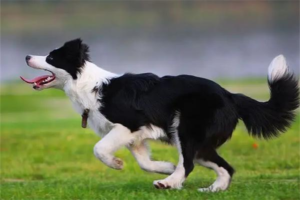
How to Train a Puppy to Fetch
Teaching a dog to fetch is a great way to build a bond and burn off energy, and it works best with the right setup. Start during the growth phase (around 4–6 months) or a dog's energetic years (3–7). Pick a ball of the right size and bounce—tennis or ping-pong balls work well—and build interest by letting the dog sniff it, or by rubbing the ball with a favorite food scent if it shows no interest. Throw it a short distance, give the 'fetch' cue, and reward the return with praise, petting, or a treat so the dog learns the behavior pays off. If the dog won't pick up or won't bring it back, demonstrate yourself, use a treat to trade for the ball, and stay patient. Keep sessions to 15–20 minutes.
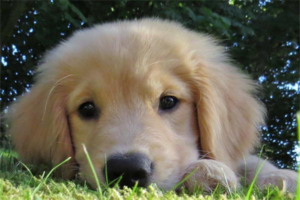
How to Train a Golden Retriever to Retrieve?
Golden Retrievers are smart and eager to please, which makes them relatively easy to train. Teaching your dog to fetch and carry objects starts with building trust, choosing safe toys, and picking one clear verbal cue like "fetch." Use positive reinforcement—praise or a small treat—when your dog responds correctly, and gradually increase the distance and difficulty. Keep sessions short, fun, and patient, then reinforce the skill in daily life through games and light carrying tasks. Consistent, reward-based training helps your Golden master retrieving faster.
How do you train a Pomeranian to be obedient?
Pomeranians are lively and easily distracted, so use treats as lures and reward each success. Assist manually at first, correct misbehavior firmly but without physical punishment, and praise often.

What to Do When Your Cat Is Too Aggressive
Unlike dogs, cats won't obey blindly; their independent nature means a small mistake can bring gentle retaliation. Some owners are baffled about how they upset their cat. This article explains what triggers feline aggression, from fear and threat to pain and illness, and how to train a cat out of biting and attacking.

Is Pet CoQ10 Worth It? Separating Real Value from Hype
CoQ10 is sometimes dismissed as a placebo and sometimes praised as a lifespan extender — the truth is in between. Research and owner experience support a real role in heart-cell energy and antioxidant protection, but a large share of products on the market are mislabeled, so 'buying CoQ10' and 'buying one that works' are different things. This guide explains the evidence, the mislabeling problem, and how to judge true value rather than price alone.
How do I train a Golden Retriever?
Start by teaching your Golden Retriever its name with a short, clear word and calling it before meals, then move on to simple commands like sit, stand, down, and walk. Help it through the motion at first and reward it, then have it perform independently for verbal praise and treats - consistent rewards are the key to effective training.
How to Train a Puppy to Potty?
Potty training takes patience. Pick a fixed spot, use newspaper or pee pads scented with the puppy's urine, and take it there right after waking, eating, or drinking. Reward success and stay consistent with timing.
How to Train a Labrador Retriever?
Build trust first through feeding and play, then train in a quiet open space using treats. Pair hand signals with verbal cues like 'sit', reward immediately, and keep daily sessions to 15-20 minutes for best results.