Search Results
252 results for “dog praise”

Why You Should Not Train a Dog to Walk Upright
A dog's body differs from a human's: its spine is more curved and lacks pelvic support, so standing and walking on the hind legs loads the lower back, spine, and rear legs with extra weight. This can cause patellar luxation, joint wear, arthritis, and cartilage damage, even spinal deformity, rear-leg deformity, or bowlegs. Severe spinal harm may lead to incontinence or paralysis, so do not train dogs to walk upright for fun.
How to Brush Your Dog’s Teeth
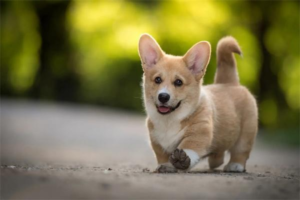
Brushing your dog's teeth is essential for oral health. With the right method and a regular routine, you can keep gums and teeth healthy and prevent dental disease. Gently guide your dog to accept brushing and brush on a schedule. One key point: always use toothpaste and a brush made for dogs, never human products, which can harm your dog's health.

How to Show Your Dog You Love It (in a Language It Understands)
Dogs may not speak, but their emotional world is rich. Brain-imaging work at Emory University shows a dog's brain reacts to its owner's voice and scent in areas similar to where humans process emotion, so your affection is a real signal your dog can feel. You can speak its language through soft eye contact (which raises oxytocin in both of you), calm pressure-petting, high-engagement play, frequent praise, leaving a scented item in its bed, and keeping a predictable routine. These small daily acts lower stress and deepen the bond far more than words alone.

What to Know Before Dyeing Your Dog’s Coat
Dyeing a dog's coat is trendy on social media, but done wrong it can harm your pet. Only use dyes made specifically for dogs to avoid harsh chemicals; confirm the skin and coat are healthy first, and skip it for short-haired dogs, whose skin dyes easily irritate. Prep by washing the coat, apply the color carefully away from the eyes and mouth, respect the timing, and rinse gently with a mild pet shampoo. Watch for redness, itching, or breathing trouble afterward and see a vet at once. When in doubt, leave the dye job to a professional salon.

Common Mistakes in Dog Training
Raising an obedient dog depends on steady training, but many owners fall into habits that actually slow progress. A common mistake is waiting until a puppy is older, yet dogs mature fast and the window around three months, when they absorb and mimic readily, is prime learning time. Hitting or scolding is another trap: it breeds fear and resistance and can even trigger aggression, whereas rewards and praise build trust. Changing commands and hand signals mid-training only confuses the dog, so keep each cue consistent. Long, exhausting sessions backfire too, so keep training to 15 to 20 minute blocks in a relaxed mood. Finally, skipping socialization, the practice of meeting people, places, and other animals, leaves dogs timid or reactive. Patient, consistent, positive training paired with good nutrition is what truly shapes a well-behaved companion.
Why Dogs Drink Less in Cold Weather (and Why It Matters)
As temperatures drop, many dogs drink far less, but winter dehydration is no minor issue — it can concentrate urine, form mineral crystals, and lead to urinary tract infections, stones, or even blockages. Low water also slows digestion and causes constipation, strains the kidneys, and thickens the blood, burdening the heart. A healthy adult dog needs 40–60 ml of water per kg daily, and no less than 30 ml/kg in winter. To encourage drinking, offer warm water (28–40°C), add a splash of something tasty like broth, place bowls around the home, use a flowing fountain, and boost activity on sunny days so your dog drinks after exercise.
How to Train Your Dog to Run With You
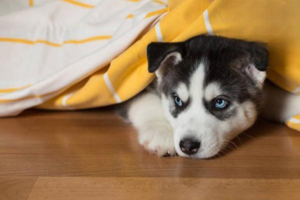
Many owners like to bring the dog along on morning runs, and a well-trained dog will stay close without darting off or barking. The training works for large, medium, and small dogs alike and starts with a roughly one-meter leash fitted snugly but not tightly. Teach the dog your cue, then give a light leash tug to move together; tug back if it speeds up, and tug a bit firmer if it will not slow. Once walking together is smooth, switch to a slow jog with a longer leash, nudging pace with the lead. Reward and pat the dog the moment it completes the move, and repeat until the behavior is reliable.
Teaching Your Dog to Recognize Its Name
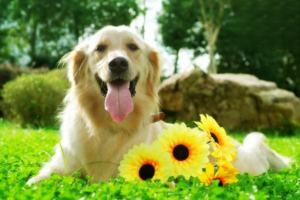
A good name is short, distinct and consistent. Keep it simple so the dog remembers, avoid names that clash with daily words (a 'Tanghulu' might bolt when a street vendor shouts), never change it once the dog links it to you, and use first/second-tone sounds or a higher pitch since dogs tune into higher frequencies. Build the reflex by calling the name when the dog is focused, then rewarding with praise, petting or treats - the loop 'name plus reward' becomes 'good things happen'. Mistakes: do not repeat the name (it loses meaning), match your tone to the situation (gentle for right, firm for wrong, happy for play), and never yell or the dog learns 'name means punishment'.
Life With a Highly Intelligent Dog
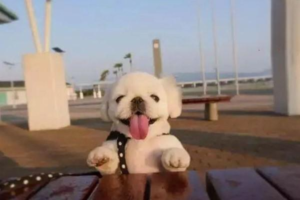
Smart dogs watch every move you make, memorize your habits, and read your mood - which is why they sense your sadness and mourn with you. A highly intelligent dog shows it in everyday ways: it knows how to act cute to win treats and cuddles, tells you apart from strangers by footstep and scent, and may even clean itself before coming home or figure out how to open its own crate door. These clever behaviors also mean the dog needs constant companionship - never leave a smart dog bored and lonely.
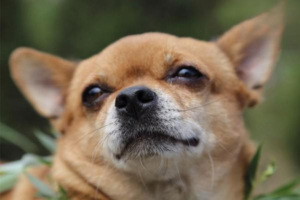
Why Do Dogs Love to Pee on Car Tires?
Many dog behaviors look strange to us, but behind them lies a consistent 'dog logic.' Adult male dogs lift a leg to urinate, and a car tire seems to magically draw them in to 'mark' it. Urine marks territory and tells other dogs 'I was here'—in short, dog urine is not just a territory tag but an ID card. A male dog urinates on vertical objects 97.6% of its life (fire hydrants, poles, tires) because that is where the 'ID' is best smelled by others, and scent lasts longer on vertical surfaces. Tires are ideal: they carry rich smells—animal feces, food scraps, trash. Once one dog marks a tire, others follow. To redirect this, reward the dog for sniffing without urinating, give it an alternative spot, and keep its attention on you near cars, using a 'leave it' cue with praise and treats until it learns.