Search Results
527 results for “dog play bow”

Chinese White Rabbit
The Chinese White Rabbit is China's oldest domestic rabbit — small, compact, and remarkably hardy, with red eyes only in the white form. A meat-type landrace that also makes a tough pet, it needs a wire-free cage, a ball-valve bottle, and a simple diet of pellets, alfalfa, timothy, and boiled water. Watch for coccidiosis.
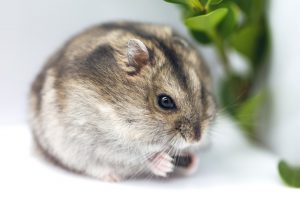
Winter White Dwarf Hamster
The Winter White Dwarf Hamster (Phodopus sungorus), also called the Djungarian hamster or Russian dwarf, is the easiest and tamest of the small hamsters and turns white in winter. A solitary species, it needs a safe cage, a wheel, and a careful diet free of onion, chocolate, and apple seeds. Lifespan 2–3 years.

Anglo Mink
The Anglo Mink is the domesticated pet ferret (Anglo / Marshall lines) kept as a companion animal. Intelligent, gentle, and easy to litter-train, it is heat-sensitive and mischievous when unwatched, needs a large wire-free cage and 4+ hours out daily, and eats a meat-based diet (30–35% protein, 15–20% fat). Lifespan 8–12 years.

FlemishGiant
The Flemish Giant is the largest domesticated rabbit breed in the world, originally from Belgium and recognized by the American Rabbit Breeders Association in seven coat colors. A gentle, docile, and hearty-eater companion that needs generous space and meticulous hygiene, it weighs 6–13 kg and lives around 5–8 years.

Canine and Feline Gastrointestinal Carcinoma
Gastrointestinal carcinoma is an uncommon but serious gut cancer in dogs and cats; when it arises in the stomach it thickens the wall and leads to ulcers and infection. Early surgical removal offers the best chance, while advanced cases — especially rectal — carry a poor outlook.

Canine and Feline Infectious Oral Papillomatosis
Infectious oral papillomatosis is a benign viral wart of the mouth caused by a papillomavirus and spread by direct contact, mainly in young dogs. The growths usually regress on their own within a few weeks, though large numbers can interfere with eating.

Canine and Feline Seborrheic Dermatitis: Symptoms, Treatment, and Prevention
Seborrheic dermatitis is a disorder of skin lipid metabolism in dogs and cats, producing dry scales, greasy sebum buildup, or inflamed crusted skin. It may be primary (often hereditary) or secondary to parasites, infection, or endocrine disease such as hypothyroidism.

Canine and Feline Trichomoniasis: Symptoms, Treatment, and Prevention
Trichomoniasis is a protozoal parasite infection of dogs and cats, most often caused by Pentatrichomonas, that produces stubborn, mucoid, sometimes bloody diarrhea. It spreads through contaminated food and water and is managed with antiprotozoal therapy plus supportive care.

Canine and Feline Cryptosporidiosis: Symptoms, Treatment, and Prevention
Cryptosporidiosis is a protozoal (coccidian) infection of dogs and cats that causes acute, watery diarrhea, vomiting, and abdominal discomfort. It is most severe in young, stressed, or immunocompromised animals and is zoonotic, so hygiene is essential.

Canine Coronavirus (CCoV): Symptoms, Treatment, and Prevention
Canine coronavirus is a highly contagious viral infection that causes acute gastroenteritis in dogs. It spreads through contact with contaminated saliva, feces, and food, and typically produces vomiting, diarrhea, and appetite loss. Most dogs recover within 7 to 10 days, but the infection is known to recur.