Search Results
527 results for “dog play bow”

How to Raise a Border Collie
Feed by age (3–4× daily as a pup down to 1–2× adult), stop at 70% full, and soak kibble for young pups. Walk daily, wash bowls after meals, avoid raw meat and chicken bones, give clean water, and switch food over seven days to avoid diarrhea.

Hargila-Line Pomeranian Price: What to Expect
Pure Hargila-line Pomeranians are rare and pricey in China, with American-line Poms running 10,000–30,000 yuan; for an elderly companion, a healthy, attractive Pom around 2,000–3,000 yuan is plenty. Insist on documented pure breeding — imported dogs should come with a pedigree certificate — and keep feeding schedules regular with bowls washed right after meals.

Can Cats Get Leukemia? (Feline Leukemia Virus)
Feline leukemia virus (FeLV) is a usually fatal cat-only infection spread through saliva, bites, and shared dishes — never to people or dogs. There's no cure, but screening, isolation, and good hygiene prevent it.

How to Feed a Puppy
Puppies start solids around week three with soft, easy foods, and they overeat when new — they learn fast. Because dogs are omnivores with long, slow guts, scheduled meals beat free-feeding, and never contest a puppy for its bowl or you'll spark food guarding.

Why Cats Shouldn’t Drink Mineral Water
Cats evolved in the desert and have a naturally weak thirst drive, so owners need to actively encourage them to drink enough water to avoid urinary stones and cystitis. Plain tap water served at room temperature and free of chlorine is best, while bottled mineral water is too high in calcium and magnesium for a cat's system.

How to Feed Your Cat
Good feeding comes down to three rules: never overfeed, never serve expired or toxic food, and never feed by mood. A dog's stomach is more delicate than ours, so portion control — about 70 to 80 percent full, on a fixed schedule — protects it from gastritis and picky eating, while steady routines keep both body and mood healthy.

Treating Vomiting in Pets by Stage
Pet vomiting splits into stages: early on it is simple indigestion from spoiled food, fast eating, or a diet change, with normal energy; left alone it becomes gastritis (yellow or foamy vomit, then dullness and weight loss); severe cases are gastroenteritis with blood, weakness, and diarrhea. Treatment moves from gentle stomachics and probiotics to metoclopramide and ethamsylate for vomiting and bleeding, plus rehydration.

Essential Supplies to Prepare Before Getting a Cat
Setting up before a cat arrives saves stress. Must-haves: a proper cat food (match its current brand, plus kitten formula and bottle if it's unweaned), a litter box with high-sided, low-entry design and tofu litter, ceramic or stainless bowls with a running-water fountain, a coat-appropriate brush, and a deworming plan (internal every 1–3 months, external monthly for outdoor cats).

What to Keep in Mind When Raising a Puppy
A new puppy needs structure from day one: crate it at first for security, hold off on baths, and never feed bones. Wean it gradually onto softened puppy kibble with goat's milk, give it sunlight and gentle exercise, and stay on schedule with vaccines and deworming while shaping good behavior early.
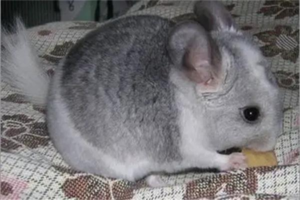
Why Chinchillas Urinate in the Wrong Place and What to Do
Chinchillas are clean and usually use one spot, so random urination points to marking, estrus, anxiety, food dislike, or a learned habit. The fix depends on the cause — more attention, separating sexes in heat, vinegar to erase scent marks, or adjusting the diet.