Search Results
801 results for “dog pica”

How to Deworm a Teddy (Toy Poodle)
Teddies need monthly parasite control—one internal and one external treatment—with the product chosen by season and risk. Dogs that roam grass in summer need tick protection, while a standard flea drop and a broad-spectrum tablet cover most everyday needs.

How to Remove Tear Stains on a Puppy
Tear stains on a puppy usually point to poor eye hygiene or a salty diet. Most cases clear up with a dog-safe eye rinse, daily warm-water cleaning, and a light diet rich in eye-friendly vegetables—typically within about a month of consistent care.
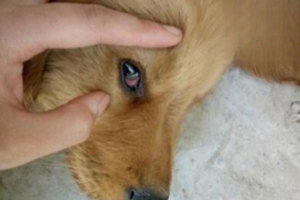
Red Tissue Growing Inside a Puppy’s Eye
Red tissue in the eye is typically an inflamed third eyelid, often present on both sides. It may look like simple heat, but it needs surgical removal to protect vision and avoid infection, so see a vet rather than waiting.

How Long Do Shiba Inus Live?
Shiba Inus typically live around 13 to 15 years, with some reaching their twenties, though small breeds generally outlive large ones. Good care across puppy, adult, and senior stages, plus regular exercise and vet visits, helps a Shiba enjoy a full life.

Why Do Cats Get Ear Mites?
Ear mites take hold when ears aren't cleaned and oil and bacteria build up, or when bath water is left damp; they also spread from dogs. Signs are inflamed, crusted canals with brown debris and head shaking. Clean daily, deworm regularly, and disinfect the home.

How to Clear Cat Ear Mites Quickly
Ear mites spread cat-to-cat and thrive in unclean, damp ears. Clear them with daily ear cleaning plus a topical dewormer, support the cat's nutrition, and disinfect the home. Consistency — not one-off treatment — is what works.

Schnauzer With Bumps and Scabs on the Skin
Bumps and scabs on a Schnauzer's skin usually point to a parasite problem or a fungal or bacterial infection. Small affected areas can often be managed at home with gentle cleaning and a vet-recommended spray, but widespread or worsening lesions need a vet visit.

How to Treat Skin Disease in a Puppy
Skin disease is common in undernourished or frail dogs, and hits puppies and weak individuals hardest. The main culprit is the fungus Microsporum canis, which survives for months — even years — on surfaces. Signs range from mite-driven red spots to visible fleas, and treatment means shaving, topical medication, environmental disinfection, and an Elizabethan collar.

How to Treat Fungal Skin Infection in a Puppy
Fungal skin infection in puppies is common, slow to clear, and easy to confuse with other conditions — poor nutrition, a dirty environment, or careless grooming all raise the risk. Signs include circular hair loss, scaly patches, pimples, and relentless scratching. Treat with medicated baths, an antifungal spray, and a repair ointment, while boosting nutrition and keeping the environment clean.

How to Treat Skin Disease in a Poodle (Teddy)
Poodles have dense, curly coats that trap moisture and parasites, making them especially prone to mite-driven skin disease in hot weather. Red, itchy bumps, hair loss, and constant rubbing against furniture signal infection. Treatment pairs a topical parasiticide with an oral dewormer, plus a medicated ointment for severe cases, and omega fish oil to aid coat recovery.