Search Results
801 results for “dog pica”
My dog keeps shedding constantly — does it have a skin condition?
Shedding in summer is abnormal and may signal a skin condition or a micronutrient deficiency. A skin problem shows scabbing, hair loss, itching, dandruff, redness, and rashes at the shedding site — treat by clipping the fur and applying a vet-recommended topical skin ointment. Without those signs, it may be a micronutrient shortfall or old age.

What to Use for a Dog With Itchy Red Dots
Widespread red dots with itching usually mean a parasitic skin disease that needs prompt care. Clip the fur, apply antifungal spray and ointment, then keep up external parasite control to stop it returning.

Autumn Care Tips for Your Dog
Autumn means more parasites, bigger temperature swings, coat change, and easy chills. Stay on top of internal and external parasite control, add a warm blanket and balanced nutrition, and keep a probiotic handy for loose stools.
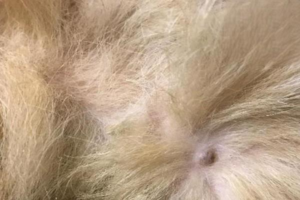
Why Your Dog’s Legs Are Itchy with Bumps
Itchy bumps on the legs often point to a parasitic skin disease, usually mites, and can spread over the whole body. Clip the fur, treat with antifungal spray and ointment, add vitamin B, then follow up with external parasite control.
What are the signs of fever in a dog, and how can I tell if my dog actually has a fever?
The clearest sign is a rising body temperature—measure it with a thermometer placed under the dog's armpit for a few minutes. A reading above 39.2°C confirms fever, after which the dog may refuse food, drink more, or seek cool spots. A canine fever-reducing medication or a vet visit can follow.

What to Do When Your Dog Has Ringworm on Its Face
Ringworm on a dog's face causes hair loss, itching, bumps, scabs, and redness, and spreads to other pets — isolate and collar the dog first. Disinfect, clip and treat the spot with antifungal spray and ointment, and add nutrition and parasite control.

Simple Tips to Prevent Dog Diarrhea
Dog diarrhea is common, but most cases are preventable through steady feeding habits, routine vaccines and deworming, and basic gut support. This guide covers everyday diet management, preventive veterinary care, and simple at-home steps that keep your dog's stomach settled.

Pet Skin Diseases (Part 1): Parasitic and Fungal Infections
Skin disease is common in dogs and cats and tends to flare up and recur, usually because their skin defenses are weak and their surroundings are full of triggers. The two hardest types to clear are external-parasite infestations (fleas, lice, mites, ticks) and fungal infections (ringworm); both cause intense itching, hair loss, and skin damage and need treatment of both pet and environment. Since they are contagious and slow to resolve, early veterinary care and consistent parasite control are the keys to recovery.

Early Signs of Canine Distemper
Canine distemper starts with lethargy, poor appetite, discharge from the eyes and nose, and a fever above 40°C that rises and falls in waves. It's a highly contagious viral disease spread by contact, air, or food — not zoonotic — and kills over 80% of untreated cases, so vaccination and quick vet care are vital.

Cat Cold: Symptoms and Home Care
A sneezing or eye-discharging cat may have a mild viral cold or the start of a worse respiratory infection. Nearly all cat colds trace to calicivirus or herpesvirus, with signs appearing days to two weeks after exposure. Watch for mouth breathing, fever, or loss of appetite, and treat any cough, labored breathing, or darkening mucus as a red flag for pneumonia or secondary bacterial infection — and never give human or dog medication.