Search Results
801 results for “dog pica”
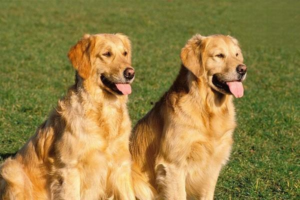
Why Dogs Get Skin Bumps and Pimples
Think only people get pimples? Dogs get them too! Dog pimples differ from ours—caused by a damp environment or disease. Take skin bumps seriously. Here is why dogs get them.

How to Correct Your Dog’s Habit of Eating Too Fast
Eating too quickly is an unhealthy behavior in dogs and can lead to serious digestive conditions such as gastric dilation and bloat (gastric torsion). This guide explains why dogs bolt their food and offers practical training methods—slow-feeder bowls, smaller and more frequent meals, and food enrichment—to help them slow down.

Do Dogs Have a Rebellious Phase?
Yes—dogs go through a rebellious phase, usually between 6 and 12 months of age. Typical behaviors include acting up, ignoring commands, accidents in the house, boundless energy, aggression, refusing training, and sneaking off. Hormones surge much like human adolescence, and environmental or social changes add to the defiance. The right response is patience and positive guidance, not harsh punishment: give love and understanding, step up training and socialization, keep a stable routine, and seek a professional trainer if needed. With consistency, your dog will grow through this stage.

What to Do If Your Dog Is Not Affectionate?
Some breeds are naturally independent (Border Collie, German Shepherd); choose clingy breeds like Labrador or Golden Retriever if you want closeness. Build attachment with love, companionship, gentle training, and interactive play such as tug, fetch, or walks.
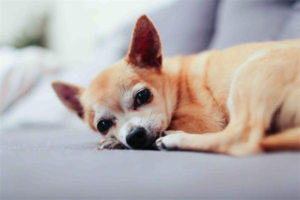
Dog Nasal Congestion: Symptoms and Causes
Dog congestion shows as troubled breathing, low energy, watery eyes, poor appetite, and a changed voice; colds add coughing, sneezing, and fever. Causes include viral infection, bronchitis/rhinitis, or blockage (tumor, sand). Check the nose, rinse with 3% boric acid per vet advice, and see a vet if it persists.

What to Do When a Dog’s Seizures Become More Frequent
When seizures grow frequent, see a vet to find the cause and a medication plan; tests like blood work or EEG may be used. Anti-seizure drugs such as diazepam or phenobarbital control episodes—give them on schedule, never change dose or stop on your own. Watch diet, sleep, and exercise for triggers, and avoid highly stressful or excited environments.

Essential Medications to Keep on Hand for Your Dog
Illness or injury can strike at night, so every dog owner should keep a basic pet first-aid supply at home. This guide lists useful external, digestive and special-purpose medications to have ready.

Can Dogs and Cats Get Depression? Symptoms to Watch For
Dogs and cats can develop depression, usually triggered by change — moving, a new family member, or conflict. Signs include personality shifts (withdrawal, timidity) and behavior changes (lethargy, lost interest, aggression). Desensitization and, for clear cases, professional help are the way forward.
My Dog Has a Red Bump on Its Genitals That Is Now Ulcerated – What Is Wrong?
A red bump on the genitals is often bacterial infection from licking or friction. Treat with antibiotics and topical meds: wash with a gentle cleanser, spray antibacterial, then apply a healing powder. Severe cases need vet-prescribed antibiotics; use an Elizabethan collar.
Suddenly found a red, swollen patch under my dog’s neck; it’s free-roaming and keeps losing hair there
Red swollen neck skin may be infected trauma or fungal/other skin disease. A vet skin exam confirms it; if care is hard, clean scabs with hydrogen peroxide, disinfect with iodine, apply a pet antiseptic, and add B-complex vitamins, then follow up as needed.