Search Results
21 results for “dog pheromones”

Why Do Dogs Sniff Each Other’s Rear Before Mating?
Before mating, a dog sniffs the other's rear because the anal glands release pheromones that reveal sex, mood, health, diet, heat status, and dominance—helping it judge a match. Two males will leave or fight; a female picks a strong, healthy mate.
Why do dogs sniff each other’s bottoms when they meet?
Sniffing each other's rear is a normal social behavior dogs use to gather information. A dog's anal glands secrete a strong scent rich in pheromones, letting one dog learn the other's sex, age, habits and health, and remember it. So butt-sniffing is really how dogs greet each other and exchange information.

Can Dogs Tell Their Owner’s Gender?
Dogs can tell a person's gender, but not by looks—they rely mainly on scent and voice. No matter how an owner's appearance changes, a dog still recognizes them by smell and sound. To a dog, people have no concept of 'beautiful' or 'plain'; looks simply don't matter. A dog's nose holds about 300 million scent receptors—some 60 times more than a human's—and a vomeronasal organ detects the hormones we give off, so a dog can even sense pregnancy, illness, or a menstrual cycle. What dogs care about is who treats them well, because that is what they remember and return.

What Are a Dog’s Social Behaviors?
Dogs rely on a rich set of social behaviors to communicate and bond with one another. Their primary channel is scent: by sniffing each other's hindquarters, ears, and tails, dogs read information about age, sex, health, and social status, then decide whether to be friendly or hostile. They also use body language—eye contact, vocalizations, and posture—to express emotion and intent. Play behaviors like chasing, mock biting, and mutual sniffing build social skills and trust, while some clever dogs even share food to signal friendship and deepen bonds. Understanding these behaviors helps owners read their dog's social world.
How to Prevent Heatstroke in Cats
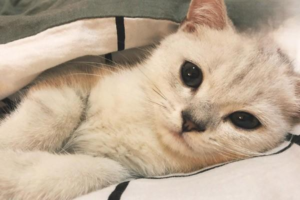
Cats can overheat when confined in hot, poorly ventilated spaces; their thermoneutral zone is about 30–36°C, and indoor heat can exceed that. Signs include panting, 'greasy' sweaty paws, drooling, red mucous membranes, and collapse. Prevention is cooling and hydration; severe cases with seizures or coma need urgent veterinary care.

Decoding Cat Behavior
A cat's 'disgusted' face is the Flehmen response sniffing pheromones; purring eases pain and heals bone; a love-bite means 'stop'; cats know their name but often ignore it; and knocking things over is attention-seeking or hunting practice. Reading these cuts the confusion.

What to Do with Your Cat When You’re Away for the Holidays
When you travel for a holiday, your furry child has nowhere to go. Taking it home risks stress from the journey and environment change; a boarding facility risks infection; asking someone over to scoop litter worries you about personal property. All these make every owner dread holidays. This article shares common placement methods and precautions.

How Long Is a Guinea Pig’s Estrus Cycle — and What Are the Signs?
Female guinea pigs cycle every 15–16 days for about 16–18 hours, mostly 5 PM to 5 AM; males have no fixed cycle and react to a female in heat. Signs include dropped appetite, urine-marking everywhere, mounting, cooing, and irritability. Year-round breeders can only be stopped by spaying, which is risky, so manage by learning the pattern.
Is Your Cat Hard to Bond With? (Signs and What to Do)
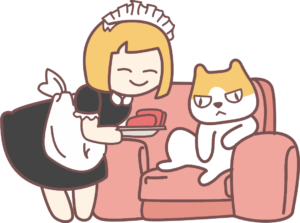
A cat that seems impossible to bond with is rarely born defiant—it usually shows clear behavioral clues and a hidden reason behind them. Such a cat refuses close contact, pretends not to hear its name, guards its food, claims a corner as territory, hides constantly, or even tries to escape. The causes range from a strong independent nature and sex differences to a stray past marked by abuse or the mood swings of an unspayed cat. The fix is patience: give the cat space, build trust through food on a fixed schedule, avoid sudden stimuli, and consider pheromone sprays. Most 'untamable' cats will gradually accept you when treated with respect.

Caring for Your Cat During Spring Festival
For the holiday, plan your cat's care three ways. Staying home: stock ample dry food, extra water (evaporation and spills happen) and thick cat litter - one cat wants about three boxes; lay waterproof pads on sofa and bed in case of stress-peeing. Road trip: use a spacious airline crate (not a cat bag for long drives), let the cat adapt to it beforehand with treats and a blanket that release calming pheromones, pack pee pads and wipes, shield shy cats from view, and drive gently since cats get carsick. Boarding: ensure vaccines are current, pick a cat-dog separated, larger space, bring familiar items and pheromone gear. Not all cats suit this - under-six-month kittens, medicated or chronic cats, pregnant or post-birth cats need special care. After return, wait 2-3 days before bathing, and watch for blockage (a post-holiday high-risk period).
- « Previous
- 1
- 2
- 3
- Next »