Search Results
96 results for “dog paw inflammation”

Interdigital Dermatitis (Pododermatitis) in Dogs: Symptoms and Treatment
Interdigital dermatitis, also called interdigital pyoderma, is a chronic inflammatory condition that produces painful granulomatous nodules between a dog's toes. Treatment depends on the cause: remove any embedded foreign object and use warm foot soaks, or control bacterial infection with systemic antibiotics or surgical excision.

Common Causes and Treatment of Ringworm in Cats, Dogs, and Rabbits
Ringworm (dermatophytosis) is a highly contagious, zoonotic fungal infection that strikes animals with weak skin immunity — especially youngsters and those in damp, dirty surroundings — and can pass to humans. Treatment means isolating the pet, clipping and disinfecting lesions, antifungal sprays or ointments (plus oral antifungals and B-vitamins for severe cases, with liver support), and thorough environmental cleaning; rabbits need ivermectin-based mite control to prevent it. Keep the home dry and ventilated, bathe sparingly with pet shampoo, and use a little sunlight to stop outbreaks before they start.

What Skin Diseases Affect Dogs, and What Are the Symptoms?
Dog skin problems fall into four types — fungal, bacterial, allergic, and parasitic — and show as itching, scabs, scaling, papules, redness, and hair loss. Watch for lumps, shedding, over-grooming, itching, and sunburn or irritation, and see a vet for diagnosis.

Why Your Dog Is Weak in the Legs and Unsteady
A dog that's unsteady on its legs usually has a clear cause: a leg injury, long-term calcium deficiency (causing deformed, limping limbs), arthritis (stiffness and shying from touch after rest), or overgrown nails curling into the paw. Match the fix — wound care, dietary calcium or pet calcium tablets, vet-diagnosed joint care, or regular nail trims.

Preventing Dog Skin Problems in the Rainy Season
Warm, wet weather lets bacteria, fleas, and mites breed in a dog's coat, and damp fur after rain or baths is a top trigger for itch and inflammation. Four moves keep skin healthy: avoid rain, dry paws and coat after walks, keep the home below 50–60% humidity, and bath or dry-clean thoroughly — watch for red patches, scabs, or constant scratching.

What to Do When Your Dog Has Interdigital Dermatitis
Interdigital dermatitis — inflammation between the toes — comes from fungi, bacteria, or mites and rarely heals on its own, so treat it early. Mild cases need clean, dry paws; worse ones need soaking, draining, and a pet wound spray. Prevention is mostly about keeping the feet dry, trimming paw fur, and not caging the dog on wet bars.
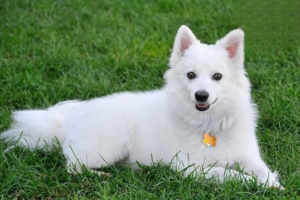
Understanding Why Your Dog Produces Excessive Eye Discharge
When inflammation occurs in a dog's eyeball or around the eye, tears or eye discharge will appear. The dog may blink frequently, lash growth can become abnormal, and dogs whose eyes are irritated will show the same symptoms.

Patellar Luxation in Small Breed Dogs
Patellar luxation is one of the most common orthopedic issues in dogs, most common in small breeds — especially tiny dogs like Teddy, Pomeranian, and Yorkie, which very easily have congenital or acquired patellar problems. In recent years, medium and large breeds also show a rising trend. Do not underestimate it; severe cases can cause paralysis and disability.

Dog Bad Breath and Rotten Teeth
Teeth are a crucial factor in a dog's lifespan and health. Bacteria from periodontal disease can spread through the blood and even infect the heart, kidneys, and liver. Brushing and cleaning a dog's teeth is a simple act that avoids bad breath and greatly helps health.

Preventing Dog Skin Disease in the Plum Rain Season
In the hot, humid plum rain season, bacteria and fleas or mites on the coat breed easily, causing itch and inflammation. Also, not drying the coat after rainy walks or baths raises skin humidity and breeds bacteria - a main reason skin problems rise.