Search Results
1560 results for “dog parasite”

Why Does Your Dog Keep Licking Its Paws?
Frequent paw licking can be boredom, an early sign of interdigital dermatitis or skin infection, a wound, or damp 'athlete's foot'. Long paw fur that stays wet breeds bacteria and leads to interdigital inflammation, so trim and dry the fur and clean the paws after walks. Check for cuts from stones, thorns, or glass, and for parasite or yeast infections that itch. If the paws look normal, the licking is likely boredom, and more playtime helps prevent the loneliness that can slide into depression.

What Happens If You Don’t Vaccinate Your Dog?
Skipping vaccines puts a dog at real risk of deadly diseases such as rabies, distemper, and parvovirus, and an infected dog becomes a source that spreads illness to other animals and to people. Unvaccinated dogs may also be barred from shows, travel, and some city registrations, and can be fined or even seized. Core vaccines start at 6-8 weeks and repeat every 2-4 weeks until the series is done. Keep the dog healthy before each shot, watch for reactions afterward, and avoid baths until the course is complete.

Common Misconceptions About Dog Deworming
Common deworming mistakes include focusing only on external parasites, not understanding the medication, using products too often, ignoring environmental cleaning, and choosing a drug that does not match the parasite. Parasites split into internal and external types with many species, so if your dog is infected, pick the right dewormer for that parasite and use the correct dose. Proper deworming protects both your dog and your family.

Why Is My Dog Dry Heaving?
Dogs dry-heave for many reasons, from a foreign object or irritation in the throat to parasites, indigestion, too much exercise, or illnesses like kennel cough and distemper. If a stuck object or irritation is the cause, removing it usually stops the heaving at once. When dry heaving comes with other signs such as fever, coughing, lethargy, or loss of appetite, see a veterinarian promptly to find and treat the underlying cause. Regular deworming and vaccination are the best long-term protection.
Does Your Dog Really Need Monthly Deworming? (Avoid One-Size-Fits-All)
Deworming frequency should follow the dog's age, health, and lifestyle, not a rigid monthly rule—dewormers are broken down by the liver and kidneys, and overuse burdens the body. Puppies start at 45 days and go monthly until 6 months; after that, internal deworming drops to every 3 months while external stays monthly. The schedule is flexible: a mostly-indoor dog in the cold season, when fleas and ticks breed less, can be treated less often, and a sick, pregnant, or senior dog may need a pause or lower frequency. Match the plan to real risk.

What to Do If Your Dog Is Too Thin?
A thin dog is most often undernourished, but disease, digestion problems, tumors, or parasites can also cause weight loss that needs veterinary attention. Start with a high-quality, balanced diet suited to the dog's age and activity, add easily digested protein such as cooked chicken, fish, or egg, and feed smaller meals more often to improve absorption. Light daily exercise boosts appetite and metabolism. If good feeding and exercise do not help, or the dog is naturally a slender breed but otherwise healthy, a vet check rules out hidden illness.

What Are the Signs That a Dog Is Sick?
Dogs cannot tell us in words when they feel unwell, so owners must read the signals their bodies send. A sick dog may show a sudden drop in appetite, much less energy, or unusual tiredness after light play. Vomiting and diarrhea often point to digestive trouble, parasites, or infection, while heavy shedding beyond the normal amount can signal skin allergies, pests, or nutritional or hormonal problems. A temperature above 39.5°C, rapid or labored breathing, and a fast heartbeat suggest fever, respiratory or heart issues that need prompt care. Pain and discomfort can also change a dog's mood, making it withdrawn, anxious, or snappy. If you notice any of these signs, see a vet for diagnosis and a treatment plan. Prevention helps too: keep up with deworming and vaccines, feed balanced clean food, keep the home dry and sanitary, and add warmth during seasonal changes.

Import or Domestic Dog Dewormer? What Actually Matters
When choosing a dog dewormer, a high price tag doesn't guarantee the right fit. The real differentiators are the purity of the active ingredient, the safety of the solvent, and transdermal absorption technology—not the country of origin. Look at the approval number, concentration, and labeled indications, and pick a product your dog's body tolerates and you can use consistently.

How Much Does It Cost to Keep a Dog Per Month?
Monthly dog ownership costs cover food, treats, chew toys, bathing, and parasite prevention, varying by breed, age, and lifestyle. In a typical city, budget at least 700–900 yuan a month, rising to around 1,500 yuan or more with extras like grooming, vaccines, supplies, or illness. But money isn't the whole cost—dogs also need your time, energy, and love. Make sure you're financially and mentally ready before bringing one home; the companionship they give is beyond price.
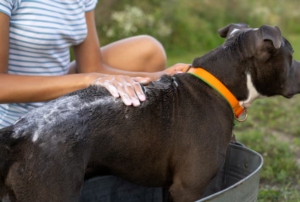
How Often Should You Bathe Your Dog in Summer?
Bathing your dog once a week is usually too often. A dog's skin relies on its sebum layer to stay moist and protected; over-bathing strips it, causing dryness, worse odor, and skin infections. Frequency should follow coat type and lifestyle—indoor small dogs may need only every two to three weeks, while active outdoor dogs can go weekly. Between baths, wipes, toothbrushing, and ear care keep odor down.