Search Results
1559 results for “dog parasite”

Common Parasites That Affect Dogs
Dog parasites split into internal, living in the gut, and external, on the skin. Roundworms, hookworms, heartworm, and tapeworms live inside; mange mites, ticks, and fleas live on the surface, and each brings its own risk.
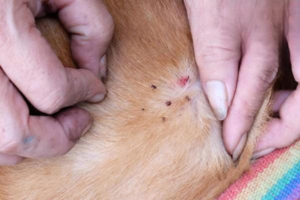
Do Cats or Dogs Have More Parasites?
Cats and dogs share most parasites, so neither has 'more'; the load depends on environment and health. Roundworms, hookworms, tapeworms, and others cause real harm, and a regular deworming schedule keeps them down.

Why Does a Dog Keep Scratching?
Frequent scratching usually means something is wrong with the skin: over-bathing or human shampoo, fleas and lice, healing wounds, allergic dermatitis, or eczema from bacterial, fungal, or mite infection. Bathe every 2–4 weeks with pet shampoo, deworm monthly (ivermectin or fipronil outside, albendazole inside), fit an Elizabethan collar on healing wounds, and use chlorpheniramine plus a skin spray for allergies. Small areas of eczema can be treated topically; otherwise see a vet.

How to Deal With Dog Odor at Home
Dog odor comes from the dog itself—body odor, lack of bathing, bad breath, ear wax, full anal glands, or skin disease—and from accidents caused by untrained pups, marking during heat, diarrhea from parasites or parvovirus, or aging sphincter loss. Find the source, then improve hygiene (regular baths, weekly teeth brushing, ear and anal-gland care) and use an enzymatic deodorizer that breaks down odors rather than masking them.

Treating and Preventing Otitis Externa in Dogs
Effective treatment of dog ear infections starts with a deep clean and then targets the cause—parasites, fungi, bacteria, allergies, or growths—while severe cases need a vet. Prevention is simpler: don't over-bathe, keep the ears dry, and deworm and disinfect the environment on schedule.

Treating Your Dog’s Skin Condition at Home
Dog skin problems trace back to bacteria, fungi, mites, vitamin gaps, or poor grooming, all worsened by low immunity. At home, clean the area, apply the right antifungal or antibacterial ointment, and add oral antibiotics or B vitamins for serious cases.

Why Spring Parasite Control Matters for Pets
Spring is peak parasite season, and both internal and external parasites threaten pets and can spread to people. Deworm puppies monthly until six months, then every 2–3 months internally and monthly externally; use vet-recommended products and follow dosing carefully.

Common Illnesses Dogs Face in Summer
Summer raises a dog's risk of heart trouble, colds, skin pests, gut disease, and heatstroke, with flat-faced and senior dogs most vulnerable. Keep exercise moderate, food fresh, parasites controlled, and never let a dog bake in the heat.

What You Should Know About Vomiting in Cats and Dogs
Vomiting in pets splits into physiologic, from eating too fast or wrong food, and pathologic, from disease. Causes range from diet and gut issues to toxins and organ disease, and the timing of vomiting hints at the source, so see a vet when signs persist.

Why Does My Dog’s Poop Have Mucus?
A little clear mucus on the end of a stool is normal, it is the gut's lubricant, but discolored mucus, black, tarry, red, or gray, signals bleeding or excess fat. When mucus is heavy or paired with vomiting and diarrhea, it is time for the vet.