Search Results
1560 results for “dog parasite”

Autumn Care Tips for Your Dog
Autumn means more parasites, bigger temperature swings, coat change, and easy chills. Stay on top of internal and external parasite control, add a warm blanket and balanced nutrition, and keep a probiotic handy for loose stools.
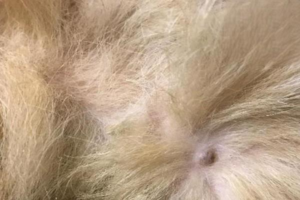
Why Your Dog’s Legs Are Itchy with Bumps
Itchy bumps on the legs often point to a parasitic skin disease, usually mites, and can spread over the whole body. Clip the fur, treat with antifungal spray and ointment, add vitamin B, then follow up with external parasite control.

Why Your Dog Passes Live Worms After Deworming
Passing live worms after deworming means the job isn't done — a second or third dose is needed. Worms enter through dirty water, food, and walks, so deworm on schedule, follow the dose by weight, and space treatments 15+ days apart.

Why Is Your Dog Coughing on and Off?
Intermittent coughing splits into harmless (a stuck item) and illness (seasonal cold, kennel cough, parasites, even heart trouble). Match the pattern — and see a vet for anything long-lasting or recurring.

What to Do When Your Dog Has Ringworm on Its Face
Ringworm on a dog's face causes hair loss, itching, bumps, scabs, and redness, and spreads to other pets — isolate and collar the dog first. Disinfect, clip and treat the spot with antifungal spray and ointment, and add nutrition and parasite control.

What to Do When Switching Dog Food Causes Diarrhea
If a food change triggers diarrhea, stop the switch immediately — most cases come from an abrupt transition rather than the new food itself. A 7-day mix-in transition lets the gut adjust gradually and prevents the upset.

Pet Skin Diseases (Part 1): Parasitic and Fungal Infections
Skin disease is common in dogs and cats and tends to flare up and recur, usually because their skin defenses are weak and their surroundings are full of triggers. The two hardest types to clear are external-parasite infestations (fleas, lice, mites, ticks) and fungal infections (ringworm); both cause intense itching, hair loss, and skin damage and need treatment of both pet and environment. Since they are contagious and slow to resolve, early veterinary care and consistent parasite control are the keys to recovery.

Six Keys to Raising a Healthy Schnauzer
A Schnauzer thrives when a few basics are done right: fresh water daily, proper coat care, on-time vaccines and deworming, a clean bed, daily exercise, and a light, nutritious diet. Get these down and care becomes far easier.

When Should Puppies Be Vaccinated, and What Should You Watch For
Puppies can start their core vaccine series at about six weeks of age, with boosters every two weeks for a total of three shots, given only when the puppy is healthy. After vaccination, keep the puppy warm, dry, and away from other dogs for roughly two weeks while immunity builds.

Common Mistakes in Feeding a Cat
New cat owners fall into the same traps: treats as a main meal, raw fish with parasites and bones, abrupt food switches, too much liver, and mixing fresh food with stale leftovers. Each one strains a cat's fragile gut—or worse—so learn the habits before they cost your cat its health.