Search Results
1560 results for “dog parasite”

Treating Hookworm Infection in Dogs
Hookworm disease in dogs is caused by the dog hookworm (Ancylostoma) and the narrow-head hookworm (Uncinaria). These small parasites latch onto the intestinal wall and feed on blood; severe infection causes pale mucous membranes, weight loss, a rough coat, poor appetite, vomiting, and alternating diarrhea and constipation with bloody, tarry, foul stools. In puppies, skin invasion causes inflammation, and infection in 3-week-old pups can cause fatal anemia. Treatment starts with deworming—an injectable antiparasitic against hookworms, with pyrantel or levamisole also used for killing—and severe cases need supportive care such as iron supplements or a transfusion for anemia.

What to Do When Your Dog Has Frequent Diarrhea
Frequent dog diarrhea usually traces to one of four causes: a chilled stomach from cold weather or cold food, intestinal parasites (look for worms in the stool), gastroenteritis (viral or bacterial), or simple overeating and dietary indiscretion. Warming the dog and adding a probiotic helps mild cases, deworming treats parasites, and a vet may use anti-diarrheals plus antibiotics for gastroenteritis. Persistent, bloody, or accompanied diarrhea needs prompt veterinary care.

Dog Ear Odor: Could It Be Ear Inflammation?
A dog's L-shaped ear canal makes infection easy, and odor often signals otitis. Inflammation ranges from outer (otitis externa) to middle and inner ear; left untreated, outer infection can progress to the middle ear and even cause hearing loss, loss of balance, or meningitis. Prevention is straightforward: keep ears dry after baths, pluck ear hair in floppy long-haired breeds, and clean weekly with a pet ear solution, never alcohol or peroxide. Regular parasite control also helps, since mites trigger ear infections.
Signs Your Dog Needs Deworming
Certain signs suggest a dog has picked up parasites and needs deworming: frequent scratching from fleas or lice feeding on blood; vomiting and diarrhea from gut-dwelling worms disrupting digestion; and unexplained coughing or rapid breathing that may signal heartworm or Toxoplasma. Regular deworming is the best prevention.
Dog Bloody Stool and Vomiting: Causes and Solutions
Dog vomiting with blood in the stool can stem from simple overeating, gastroenteritis, serious viral disease (distemper or parvovirus), or parasites. Overeating and rough play after meals cause acute vomiting; gastroenteritis brings recurring diarrhea and sometimes blood; parvovirus shows lethargy, foul diarrhea, and respiratory signs; long gaps since deworming point to parasites. See a vet for diagnosis, fast the dog, and use probiotics to support recovery.

How to Manage Chronic Indigestion in Dogs
Recurring indigestion in dogs is often linked to poor diet, food allergies, or conditions like gastroenteritis. Managing it starts with the right food: choose an age- and health-appropriate dog food, avoid greasy, spicy, or irritating human foods, and add vegetables, fruits, and fiber to support gut movement. Probiotics or digestive enzymes can aid digestion, while clean bowls and fresh water prevent contamination. Feed smaller, more frequent meals, transition diets gradually, and take your dog for a gentle walk about half an hour after eating to stimulate the gut. Persistent or worsening signs warrant a veterinary visit.
Why Is My Dog Walking Weakly or Lacking Energy?
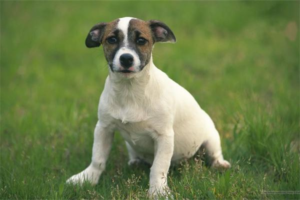
A dog that suddenly walks weakly or seems unable to move may be showing signs of an underlying problem. Common causes range from simple fatigue, hunger, thirst, low blood sugar, or calcium deficiency to musculoskeletal issues such as osteoporosis, fractures, sprains, or bone tumors. Other diseases—heart conditions, parasite infections, gastrointestinal disease, anemia, or viral infections—can also cause weakness. Because the cause can be minor or serious, have your dog examined by a veterinarian promptly; the vet can diagnose the issue accurately and recommend effective treatment, while proper diet, rest, and exercise help keep your dog healthy.

What to Do If Your Dog Coughs or Retches After Deworming
Dogs rarely cough after a dewormer, but when it happens the tablet may be lodged in the throat, offer water to help swallow it. Coughing or retching can also stem from excitement rather than allergy, and a correct dose seldom harms the dog. Other common reactions include worms in the stool, vomiting, and diarrhea. Overdose or a sensitive gut causes vomiting and diarrhea; observe for 1-2 days, fast briefly, and use a pet probiotic, but seek a vet if it's severe. Unvaccinated dogs with these signs need viral testing.
My dog keeps scratching and the fur is matted, including both sides of the face — does it need a vet?
Persistent scratching has many causes, so if it does not improve, take the dog to a vet to identify the underlying issue. It may be a fungal or bacterial skin infection, parasites or mites, or an allergy. Hair loss, red or swollen skin, and dandruff signal itch; treat fungal with antifungals, bacterial with antibacterials, and parasites with regular topical deworming.
How do I remove lice from my dog?
If there are not yet many lice, first use a fine-tooth comb to remove some and relieve itching, then apply a selamectin- or fipronil-based topical parasite treatment (avoid bathing 3 days before and after). Keep the environment clean — wash and sun the dog's bedding and toys, and clean carpets and upholstery to prevent re-infestation.