Search Results
68 results for “dog panting”

Why Is My Dog Panting?
Panting can be normal after exercise or heat, or a sign of stress, heart or lung disease, allergies, or a blocked airway. Rest and water fix mild cases, but panting with other symptoms means a vet visit.

Why Is My Senior Dog Panting Heavily?
Rapid breathing in a senior dog is not 'just old age' — a normal rate is 10–40 breaths per minute and seniors are usually slower. Persistent fast, heavy breathing at rest points to heart or lung disease, metabolic upset, chronic pain, or environment (heat, poor air, obesity, brachycephalic breeds). Keep it cool, calm, and ventilated, log the rate and other signs, and see a vet promptly; many senior diseases progress fast.
Is a dog panting with its tongue out related to distemper?
Panting and sticking the tongue out are generally not linked to distemper. Distemper mainly causes respiratory signs such as pus-like nasal discharge, eye discharge, coughing and fever. Panting is more often from stress or heat, with respiratory infection a secondary possibility.
Dog Panting After a Short Walk? Watch for Heart Trouble
Panting after a brief walk is not always harmless—it can be a dog's heart crying for help. Heat, obesity, and flat-faced breeds pant normally and recover within minutes, but sudden breathlessness at rest, coughing at night, bluish gums, or constant fatigue warrant prompt cardiac screening. Early diagnosis and steady daily care can dramatically slow heart disease.
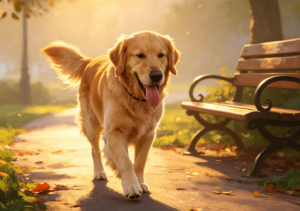
Dog Panting After a Few Steps? Don’t Ignore Heart Trouble
A dog that pants heavily or struggles to breathe after only a short walk may be signaling heart disease rather than mere old age or extra weight. Key warning signs include a sudden drop in stamina, labored breathing at rest, blue-tinged gums, nighttime coughing, and lethargy. Early veterinary diagnosis and daily heart-care management can dramatically slow progression and extend your dog's life.

Why Is Your Dog Panting Rapidly with a Trembling Belly?
Rapid breathing with a shaking belly can be normal — after exercise, in heat, or from excitement — or a sign of illness such as a respiratory infection, pneumonia, or heart trouble. Match the pattern to the cause; see a vet for pneumonia or heart disease.
Why is my dog breathing rapidly (panting heavily)?
Rapid breathing has two causes. Physiological: anxiety, fear, excitement, cooling off, or after exercise; short-nosed breeds like English and French Bulldogs and Pugs pant easily. Pathological: respiratory disease, heart disease, poisoning, or weak heart/lungs. If physiological causes are ruled out, see a vet.
What Should I Do If My Dog Is Panting Like It Has Asthma?
Panting like asthma may just follow intense exercise and settles in a few minutes of rest. But nasal discharge and lost appetite suggest a cold-related stuffy nose; fever (over 39.5°C) means cool it and see a vet. Lower-airway disease (pneumonia, bronchitis) also causes asthma-like panting—treat with anti-inflammatories and theophylline.

Is Heavy Panting After a Walk Normal for Dogs?
Panting after exercise is normal when a dog needs more oxygen and to dump heat — especially in heat or after hard, long activity, as long as it eats, drinks, and acts normally. But obesity makes panting worse, and panting with coughing, drooling, or breathing trouble can signal trachea, lung, or heart disease — see a vet. Walk lengths: small dogs 20-30 min, medium 30-40, large breeds over an hour, and pick flat, safe ground.
What to Do When a Dog Keeps Panting Heavily
Heavy panting can signal respiratory disease, heart disease, heatstroke, obesity, anxiety, brachycephalic breed traits, or parasites like heartworm. Note other signs: coughing, fever, or weight loss means see a vet; panting after exercise or heat suggests heatstroke — move to shade, offer water, and cool the paws, belly, and ears.