Search Results
36 results for “dog pain management”

What Are the Signs of Dog Kidney Failure, and How Is It Treated?
Early signs are dehydration, diarrhea, odd urine, thirst, drowsiness, vomiting, and weight loss; long-term brings bleeding, high blood pressure, blindness, lung fluid, and seizures. Treat by cause with fluids, blood-pressure drugs, diet, and anemia care; avoid high-phosphorus food.

Can a Dog’s Urinary Stones Be Treated Without Surgery?
Early, small urinary stones in dogs can often be managed with medication and diet alone, avoiding surgery. This guide explains when surgery is needed, the non-surgical treatment options, and the dietary changes that help dissolve and prevent stones.

Why Does a Dog Dribble Urine Drop by Drop?
A dog that dribbles urine a drop at a time, with prolonged urination and obvious pain, may have stones or urethritis. This guide covers the symptoms, treatment, and the diet changes that help pass and prevent stones.

What Causes Intestinal Intussusception in Dogs?
Intestinal intussusception in dogs is mainly caused by intestinal stasis, twisting, or prolapse, and playful puppies with big appetites are especially prone. Over-hunger, cold milk, poor food, and cold water can trigger it, as can secondary diseases. Symptoms include vomiting, abdominal pain, and appetite loss; seek veterinary care promptly to avoid a life-threatening blockage.
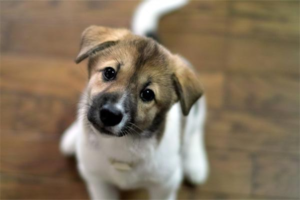
What to Do If Your Dog Is Bitten and Bleeds?
After a dog bite, calm the dog and treat the wound: rinse with saline, disinfect with iodine, and apply antibiotic ointment. For large or heavily bleeding wounds, go to the vet for stitches and a tetanus shot; if unvaccinated, get the rabies vaccine within 24 hours. Use a collar to stop licking.
My 13-year-old dog has bone spurs, can’t walk well, cataracts, and barks constantly; what is going on and how to treat it?
At 13 with bone spurs, cataracts, and constant barking, these are age-related issues. Pain and vision loss make the dog call out for attention or comfort.

Why Is My Dog Pooping Blood?
Blood in a dog's stool can signal diet issues, digestive disease, parasites, viral infection, tumors, or injury. Swallowing sharp bones, IBD, worms, or parvovirus/distemper can all cause bleeding and need a vet's diagnosis. Strict diet management plus regular vaccination and deworming are the main ways to prevent it.

How to Handle Milk Engorgement in Nursing Dogs
Milk engorgement in lactating dogs is common and, when mild, can be eased by adjusting the diet and gently massaging or warm-compressing the mammary glands. Severe cases—especially those involving mastitis—require prompt veterinary attention, often with antibiotics and manual milk drainage. Preventive care centers on balanced feeding, moderate exercise, and stress reduction.
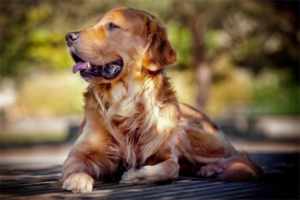
How to Treat Patellar Luxation in Dogs
Patellar luxation causes lameness, pain, skipping while running, a crouched gait, bowed legs, muscle loss, and stiffness, with signs varying by severity. Grades 1–2 often show few obvious symptoms, while grade 3–4 cause clear gait abnormalities that need prompt veterinary care. Mild cases are managed conservatively, while severe cases usually require surgery.
What to Do When Your Dog’s Joint Is Swollen
A swollen joint in a dog can come from an injury, arthritis, or calcium deficiency, and the right response depends on the cause. Gently pressing the swollen area tells you whether it is painful; pain or refusal to be touched points to a joint problem. Injuries usually settle in a few days with topical treatment, while arthritis needs a veterinarian's diagnosis and long-term care with anti-inflammatory pain relief, weight control, and adjusted exercise. Severe arthritis may require surgery. Keeping the diet balanced helps prevent calcium-related swelling.