Search Results
11 results for “dog pacing”

Dog at 7 Is Like a Human at 50: Early Signs of Senior Dog Diseases
At 7, every dog, large or small, has entered its senior years and organs start declining faster. Studies show kidney filtration drops 12-18% and joint cartilage wears three times quicker after 7. Many early signs get mistaken for "normal aging" and missed. Watch for osteoarthritis (stiff rising, hesitant stairs, liking soft beds), dental disease (red bleeding gums, loose teeth, bad breath, favoring soft food), chronic kidney disease (drinking and urinating more, later ammonia breath and weight loss), and cognitive dysfunction (getting lost at home, night waking, forgetting house-training). These diseases can't be cured, but early action slows them and extends life.

Dog Skin Redness and Hives: A Recovery Case
After a day outdoors, a dog came home with a large red, itchy rash on its belly—likely bacterial eczema or allergic dermatitis/hives. Left unchecked, such redness spreads fast and itches intensely. With an antimicrobial skin spray, zinc oxide ointment, and an oral antihistamine, the redness faded within a few applications. Catch it early and see a vet if it spreads.
How to Train Your Dog to Catch Objects Mid-Air
Teaching a dog to snatch a treat out of the air is a fun, bonding trick that builds focus and coordination. The method is gradual: a spoken cue, a slow lob close to the head, and slowly smaller, faster, higher throws until the hind legs leave the ground. Most dogs grasp the basics in a single session with the right pacing.
6 Signs Your Dog Isn’t Getting Enough Exercise
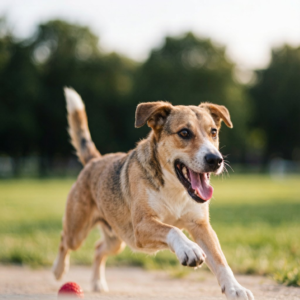
A dog's exercise need depends on breed, age, and size. Some dogs play hard outdoors daily; others only stroll the neighborhood—but every dog needs a sensible amount of activity. So how do you know yours is under-exercised? Watch for six signs: destruction (a normally calm adult wrecking the home needs an outlet, not a beating); rough play (an usually gentle dog throwing its whole weight around with others); obesity (too much food, too little movement—common in seniors, though sudden weight gain can signal illness); restlessness (pacing at night, especially in small breeds that still need 10–20 minutes of indoor play); excessive barking (pent-up energy venting as noise); and lethargy (a depressed, uninterested dog). Puppies need several 5–10 minute sessions; adults 30–60+ minutes (or under 30–60 for low-need breeds); seniors 2–3 sessions of about 30 minutes. Remember: for most dogs exercise is a walk, but don't ignore mental stimulation—especially for dogs that can't go out.

Early Signs of Rabies in Dogs—Catch It Early
Rabies is close to 100% fatal and dogs are the main source, so early recognition saves lives. The first 1–3 days—the prodrome—bring a personality flip, aimless pacing, trouble swallowing and drooling, a changed voice, and fear of light and sound. If you see these, especially after a recent bite or scratch, isolate the dog, call your health authority and a vet for at-home assessment, and get any exposed people vaccinated at once. Prevention is vaccination, leashing, and prompt wound care.

Postpartum Eclampsia (Puerperal Tetany) in Dogs and Cats
Postpartum eclampsia (puerperal tetany) in dogs and cats is an acute low-blood-calcium crisis in nursing mothers, usually 2 to 4 weeks after whelping, causing restlessness, stiffness, and violent seizures that can be fatal without prompt calcium treatment. It is an emergency requiring immediate veterinary care.

Functional Hypoglycemia in Hunting Dogs
Functional hypoglycemia in hunting dogs is a drop in blood sugar during intense, excitable hunting work, causing disorientation, wobbliness, and seizures. It is managed by stopping work, feeding, and better conditioning.

Cardiac Arrhythmia in Dogs and Cats
Cardiac arrhythmia is an abnormal heart rhythm from a fault in the heart's pacing or conduction, showing as an irregular pulse and heart sound. Some forms are harmless, while others cause weakness, collapse, or sudden death. Treatment targets the underlying disease plus rhythm control.
What happens if I feed my dog chili pepper?
Dogs must not eat chili. It irritates the mouth (crying, pacing, gulping water) and the gut — excess acid, cramps, stomach pain, diarrhea, vomiting — and in severe cases needs a vet. The irritant can also inflame the anal skin, making defecation painful and the area red and swollen.

Can I Give My Dog Dewormer After Vaccination?
A dog can use a topical dewormer on vaccination day, but oral dewormers are best delayed about a week. Vaccines deliberately lower immunity while the body builds antibodies, so spacing out internal parasite treatment protects a stressed system.