Search Results
106 results for “dog obesity”
Dog Food vs Supplements: What’s the Difference?
Dog food is a complete staple designed by pet nutritionists to meet a dog's basic life, growth and health needs - balanced, digestible, convenient and even disease-preventing. Supplements fill specific gaps: vitamins, proteins, calcium, goat-milk powder, coat and pigment support, aiding development and recovery from illness. The rule is food first, supplements second - even good food is not 100% absorbed, so supplements help. But add them only when needed: large breeds needing calcium for joints or baby teeth, picky or single-diet dogs needing vitamins/minerals, weak or sick dogs (B-vitamin for some skin issues, probiotics for gut), and life-stage needs like goat milk for weaned pups. Over-supplementing backfires into allergy or obesity.
What Every Dog Owner Should Know About Pancreatitis
Canine pancreatitis happens when digestive enzymes activate too early and the pancreas essentially digests itself, causing severe inflammation. Rich human food, obesity, toxins, and certain breeds raise the risk, and moderate-to-severe cases can be fatal. This guide covers causes, the telling 'praying' posture, diagnosis with pancreatic tests, treatment, and diet-based prevention.
How High Blood Pressure Affects Dogs
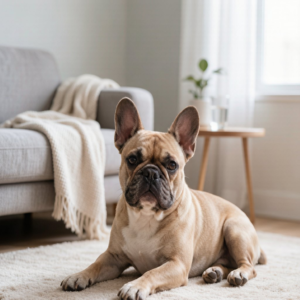
High blood pressure harms a dog's eyes, heart, kidneys, and nervous system. It can cause retinal damage and vision loss, heart enlargement and failure, kidney failure, and stroke or paralysis. Owners should watch for signs and see a veterinarian, who may measure blood pressure and suggest a low-salt, low-fat diet or medication. Risk rises with obesity, age, genetics, diabetes, thyroid or kidney disease, and stress. Prevention includes regular checkups, a healthy weight, calm surroundings, and daily exercise.

What Happens When Dogs Eat Cheap Low-Quality Food Long Term
Cheap dog food of unknown origin can lack the nutrients a dog needs while carrying excess salt, sugar, and additives. Fed long term, it harms health in many ways: diarrhea, malnutrition, extra strain on the liver and kidneys, hair loss and dry skin, obesity, and dental decay. To protect your dog, choose a high-quality food with balanced nutrition, protein around 25 to 30 percent, fat 14 to 17 percent, and salt under 0.8 percent. Good food lists real meats by name, avoids artificial additives, and comes from a trusted brand.

What Happens When Dogs Eat Unevenly?
Feeding a dog unevenly, with stretches of hunger followed by overeating, harms its health and happiness. A dog's digestive system needs steady nourishment; frequent starvation and binging strain it, causing indigestion, vomiting, or diarrhea. Long-term nutrient gaps can slow development, weaken immunity, and invite chronic disease, while the starve-binge cycle destabilizes weight. To keep a dog healthy, feed on a consistent schedule, keep portions balanced, and always provide fresh water.
Diseases Behind a Dog’s Rapid Panting
Panting is shallow, upper-airway breathing that cools a dog fast, normally brief after exercise. But constant rapid panting can signal respiratory disease, collapsed trachea, airway obstruction, hypoxia, bronchitis or pneumonia, heartworm or heart failure, or obesity. Match the cause to the treatment.
8 Common Health Issues in Senior Dogs
Aging brings: (1) hearing/vision loss—train hand signals, leash outdoors, pad the home; (2) arthritis (osteoarthritis) in weight-bearing joints causing pain on walks/stairs—vet care; (3) kidney disease, often chronic, with thirst, more urine, nausea, lethargy—manage, not cure; (4) incontinence from organ/muscle/nerve decline—vet check, more walks; (5) obesity raising arthritis/heart/diabetes risk—cut food, keep gentle exercise (walks, swim); (6) dementia (disorientation, anxiety, poor sleep)—meds for quality; (7) lumps/tumors, mostly benign—let the vet judge; (8) cancer, common and varied—regular checkups catch it early. Older dogs need closer diet and exercise management, and more patience.
Can Dogs Eat Cheese?
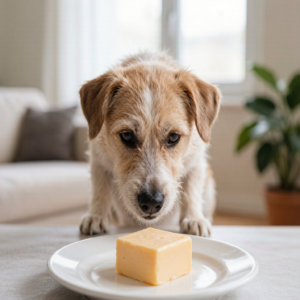
Cheese is a familiar food that boosts a dog's appetite and supplies calcium, but is it really suitable? Over 4,000 cheeses exist. Harms: overfeeding causes obesity, but more importantly cheese delivers high sodium and lactose. Cheese-making uses salt, and its sodium can cause high blood pressure and organ damage, so experts do not recommend feeding cheese long-term. Benefits: good protein; essential vitamins and minerals; rich calcium; vitamin A; B vitamins; healthy fatty acids. Avoid: blue cheese and other French cheeses—blue produces a toxin fatal to dogs (difficulty breathing, racing heart, then seizures; needs prompt stomach pumping) and has the highest sodium; cheeses with garlic or herbs (Havarti, even cream cheese); Brie and feta, the highest in saturated fat, which can trigger pancreatitis. Dogs to avoid cheese: overweight; lactose-intolerant (diarrhea); picky eaters (cheese won't fix appetite); those with digestive disease (a burden). Choose: low-fat cheese, and cottage cheese if possible (lowest fat and sodium)—always read the label.
6 Signs Your Dog Isn’t Getting Enough Exercise
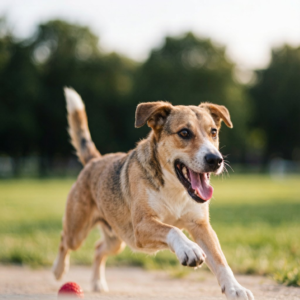
A dog's exercise need depends on breed, age, and size. Some dogs play hard outdoors daily; others only stroll the neighborhood—but every dog needs a sensible amount of activity. So how do you know yours is under-exercised? Watch for six signs: destruction (a normally calm adult wrecking the home needs an outlet, not a beating); rough play (an usually gentle dog throwing its whole weight around with others); obesity (too much food, too little movement—common in seniors, though sudden weight gain can signal illness); restlessness (pacing at night, especially in small breeds that still need 10–20 minutes of indoor play); excessive barking (pent-up energy venting as noise); and lethargy (a depressed, uninterested dog). Puppies need several 5–10 minute sessions; adults 30–60+ minutes (or under 30–60 for low-need breeds); seniors 2–3 sessions of about 30 minutes. Remember: for most dogs exercise is a walk, but don't ignore mental stimulation—especially for dogs that can't go out.
Dog Is Bloated but Not Defecating — What to Do
A dog with a swollen belly that will not pass stool is usually constipated, but the underlying reason matters: it could be simple indigestion, a bowel blocked by a swallowed object, too little exercise, or a painful condition that makes the dog hold back. Matching the cause to the fix prevents a minor issue from becoming an emergency. This guide lists the common causes and the practical steps—water, probiotics, exercise, and portion control—that get things moving again.