Search Results
1306 results for “dog nose color”
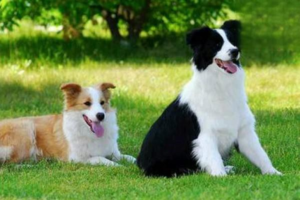
Why a Dog’s Nose Changes Color
A healthy dog's nose is usually cool and moist, and a warm, dry nose alone doesn't prove illness—waking, hard exercise, heat/cold exposure, or old age do the same. Real fading comes from: age (pink as a pup darkens, then lightens in seniors as tyrosinase and melanin drop); illness or heat (returns after); season—'snow nose' in winter, returning with warmth; trauma (pink while healing); poor nutrition (low melanin); genetics/Dudley nose (permanent, harmless); allergy (contact dermatitis from plastics/metal—use glass/stainless); bacteria (swelling, crusts—vet); and vitiligo (immune, white patches, harmless). Protect a pink nose from sun; see a vet for bloody, foul discharge with weakness.

Why a Dog’s Nose Loses Color in Winter
'Snow nose' is a normal winter fading of nose pigment, not a disease—common in Huskies, Malamutes, Goldens, and Labs. Cold lowers tyrosinase activity, so less melanin is made and the nose lightens; it returns on its own in summer. To keep the black nose, add fish oil or kelp, swap plastic bowls for stainless (plastic can irritate sensitive noses), and get sunlight (UV boosts the enzyme). But easy-snow-nose dogs have little melanin to begin with and burn easily, so avoid summer overexposure and use nose sunscreen.

Pet Vomiting (Part 3): Vomiting from Internal Parasites and Toxicity in Dogs and Cats
Internal parasites living in a dog or cat's gut irritate the intestinal lining and trigger vomiting, sometimes expelling visible worms. Food poisoning causes far more violent vomiting along with seizures and drooling, and demands immediate induced vomiting and gastric lavage. Routine deworming and keeping toxic foods — onions, grapes, chocolate, macadamia nuts — out of reach are the best defenses.

How to Tell Whether a Dog’s Skin Problem Is Mites or Fungus
Mite and fungal skin infections look alike but need opposite treatment, so guessing can waste precious time. Mites bring thickened, bleeding, intensely itchy skin; fungus shows as scaly, crusted patches with circular hair loss—and a vet exam settles any doubt.

Wolf-Dog Breeds and Their Appearance
'Wolf dog' isn't a single breed but a loose name for large, wolf-like dogs, often a cross of wild wolf and domestic dog. Common types include the Langqing, German Shepherd, and Black Back, each a strong, capable working dog.

Common Illnesses Dogs Face in Summer
Summer raises a dog's risk of heart trouble, colds, skin pests, gut disease, and heatstroke, with flat-faced and senior dogs most vulnerable. Keep exercise moderate, food fresh, parasites controlled, and never let a dog bake in the heat.
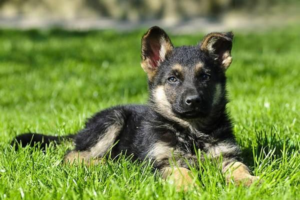
How to Prevent and Clean Dog Tear Stains
Tear stains form when excess tears overflow the nasolacrimal duct, and the iron in porphyrin turns them rusty red. Short-faced and light-coated breeds are most prone; manage them through grooming, diet, and treating the root cause like infection or allergy.
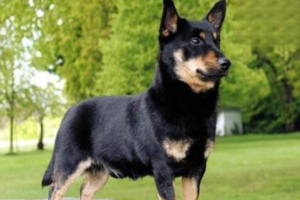
Body Parts You Shouldn’t Over-Wash on Your Dog
Dogs have spots that suffer from too much washing, ears, nose, anal glands, skin, and paws. Over-cleaning strips protective wax, mucus, oils, and the self-cleaning ability, raising infection and dryness risk, so clean gently and only as needed.

How to Train Your Dog to Use a Potty Pad
Dogs aren't born knowing where to relieve themselves, so training takes patience. Watch for the sniffing that signals they need to go, guide them to the pad, reward success, and clean accidents thoroughly so the scent doesn't draw them back — most dogs learn within two to three weeks.

Internal Parasites in Dogs and How to Treat Them
Deworming isn't only for dogs that show worms in their stool — by then the body is already full of eggs. Common internal parasites include roundworms, tapeworms, hookworms, pinworms, heartworms, and toxoplasma, each with distinct symptoms and routes of spread; a vet confirms and prescribes the right treatment.