Search Results
19 results for “dog neurological issues”
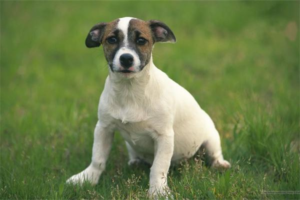
Why Is My Dog Walking Weakly or Lacking Energy?
A dog that suddenly walks weakly or seems unable to move may be showing signs of an underlying problem. Common causes range from simple fatigue, hunger, thirst, low blood sugar, or calcium deficiency to musculoskeletal issues such as osteoporosis, fractures, sprains, or bone tumors. Other diseases—heart conditions, parasite infections, gastrointestinal disease, anemia, or viral infections—can also cause weakness. Because the cause can be minor or serious, have your dog examined by a veterinarian promptly; the vet can diagnose the issue accurately and recommend effective treatment, while proper diet, rest, and exercise help keep your dog healthy.

Why Is Your Dog Suddenly Drooling a Lot? 4 Causes to Watch
Dogs pant to cool off, so some drool on a hot day is normal. But sudden, heavy salivation in normal temperatures can signal trouble. The causes worth flagging are oral disease, poisoning, heatstroke, and neurological problems, with severe kidney or liver disease and even rabies as grave possibilities. Teething, car sickness, or excitement explain milder cases. When drooling pairs with collapsing, seizures, or suspected toxin exposure, head to the vet at once.

Facial Nerve Paralysis in Dogs and Cats
Facial nerve paralysis is a failure of conduction in the facial nerve that causes a drooping ear, lip, and tongue, difficulty eating, and a risk of keratitis. It may follow ear disease, trauma, infection, or toxicity, and treatment removes the cause while protecting the eye.

Salmonellosis in Dogs and Cats (Paratyphoid): Symptoms, Treatment, and Prevention
Salmonellosis (paratyphoid) is an acute septicemic disease caused by Salmonella. Early signs are gastroenteritis (diarrhea, vomiting) that can progress to nosebleeds and bloody stools. It is zoonotic and can cause abortion in pregnant dogs and cats.

Colibacillosis (E. coli Infection) in Dogs, Cats, and Small Animals: Symptoms, Treatment, and Prevention
Colibacillosis is an intestinal infectious disease caused by certain pathogenic serotypes of Escherichia coli and their toxins. It occurs year-round and can affect animals of any age, posing the greatest threat to weaned youngsters.
My dog moves slowly and its hind legs hurt when it hops
Hind-leg pain and slow movement in dogs usually come from trauma, skeletal problems, or nerve/ligament issues. If trauma and bones are ruled out, suspect nerve inflammation or ligament injury and pursue further testing.
My dog’s left hind leg won’t bear weight, worse after sleeping — X-ray was normal
With a normal X-ray and no dislocation, hind-leg lameness is likely muscle pain or soft-tissue injury; keep watching and follow up with the vet.

FIP in Cats: Symptoms and Treatment
FIP, short for Feline Infectious Peritonitis, means inflammation of the abdominal lining. When this inflammation is linked to a specific mutated feline coronavirus, it is infectious peritonitis (FIP). Only a small fraction of coronavirus strains cause FIP.
Why Is My Cat Lethargic After Deworming? Normal vs. Emergency
Mild drowsiness and reduced appetite after deworming are usually normal — the low-toxicity drug is metabolizing and the cat may be stressed. These fade within 24–48 hours. But if lethargy lasts over 2 days, or comes with vomiting, diarrhea, breathing trouble, or tremors, it may be an allergy, wrong dose, or hidden illness and needs a vet.
- « Previous
- 1
- 2