Search Results
535 results for “dog needs water”

How to Tell If Your Dog Needs More Water
As dog owners, we should know just how dangerous dehydration can be for a dog.
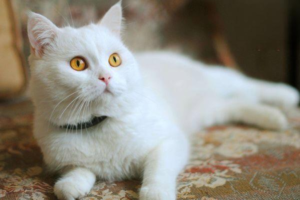
How to Calculate Your Cat’s Daily Water Intake
Cats evolved in arid environments and have a naturally weak thirst drive, so they often fail to drink enough — especially on dry kibble — which strains the urinary system. A practical rule is about 60 ml of water per kilogram of body weight per day, or roughly 1 ml per kcal eaten. Check skin elasticity, coat condition, and 2–3 daily urinations to gauge whether your cat is hydrated.
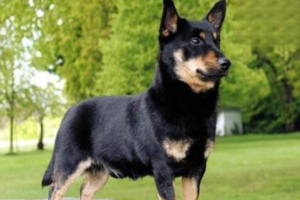
Body Parts You Shouldn’t Over-Wash on Your Dog
Dogs have spots that suffer from too much washing, ears, nose, anal glands, skin, and paws. Over-cleaning strips protective wax, mucus, oils, and the self-cleaning ability, raising infection and dryness risk, so clean gently and only as needed.

Key Warning Signs That Your Dog Is Sick
Fever, trembling, lost appetite, labored breathing, constipation, diarrhea, or vomiting can all signal illness. Most are harmless alone, but persistent or severe signs—especially with other symptoms—warrant a prompt vet visit.

What Your Dog’s Waste and Walk Reveal About Its Health
Beyond temperature, pulse, and weight, a walk is the best window into your dog's health — watch its gait, expression, and the color and shape of its urine and stool. Red or dark urine can mean bleeding, cloudy urine an infection, shiny urine crystals, and orange urine jaundice; soft, bloody, or black stool points to digestive trouble. Catch these early and bring a fresh sample to the vet.

Common Winter Feeding Mistakes for Dogs
As temperatures drop, many owners overfeed their dogs to 'build winter fat,' but that backfires. The real winter risks are digestive upset from sudden diet changes, pancreatitis from too much meat, obesity from sweets, and dehydration from dry indoor air. Keep portions steady, offer warm water under 20°C, and aim for balanced, smaller frequent meals with regular exercise.
Dog Has Diarrhea but Still Acts Fine — What’s Going On?
A dog with diarrhea but normal energy still needs the cause found — usually parasites, a reaction to new food, bacteria, a swallowed object, or a drug side effect. At home, rest the gut with a 12–24 hour fast (water only), then a bland boiled-meat-and-rice diet reintroduced slowly over four days, plus probiotics and fiber; see a vet if it persists or a chronic issue like kidney disease is suspected.

Treating E. coli Infection in Dogs and Cats
Colibacillosis is an acute intestinal infection of young dogs and cats caused by pathogenic E. coli, marked by fever, vomiting, and foul-smelling diarrhea that can turn fatal. It mimics many other diseases (distemper, parvovirus, salmonellosis), so a lab test is needed for diagnosis; treatment is antibiotics chosen by sensitivity testing plus strict hygiene and early colostrum.

Why Dogs Get Small Hard Lumps Under the Skin
A small hard lump under the skin can be an unabsorbed vaccine or injection (eased with a warm compress), an insect bite (clears in days with disinfection), or a cyst or skin condition that needs a vet. Skin disease itself comes from parasites, bacteria, poor nutrition, hormone overuse, or a damp coat — treat by diagnosis, with saltwater for bacterial cases and a fipronil spray for external parasites.

Why Does My Dog’s Stool Have Blood at the End?
Blood only at the end of a dog's stool is often minor — sharp bone fragments scraping the gut or hard, dry stool tearing the anus — but it can also signal parasites or parvovirus. Check for recent bones and boost water and fiber; if diarrhea, vomiting, or lethargy appear, or blood persists, see a vet for a fecal exam and deworming.