Search Results
321 results for “dog muscle disease”
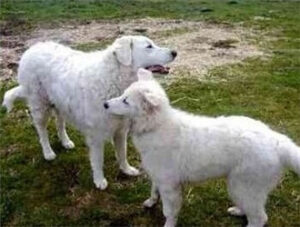
Kuvasz
The Kuvasz is a large, powerful white livestock guardian from Hungary, dating to the 13th century. Despite its size it is gentle with people, especially children, and makes an excellent companion and protector.

Border Collie
The Border Collie is widely regarded as the most intelligent of all dog breeds, originally developed along the England-Scotland border for herding sheep. Energetic, sensitive and devoted, it needs plenty of exercise and mental work.
My Corgi is fairly fat; last night it was fine on a walk, but this morning it suddenly can’t walk and is trembling a bit
Sudden inability to walk has many causes, possibly neurological or skeletal disease: neuritis, distemper aftereffect, patellar luxation, hip dysplasia. Without distemper-like symptoms, rule that out. Also possible low blood sugar or low calcium, plus brain injury, blood clots, or intervertebral disc disease, often from trauma, aging, or obesity, causing lower-limb numbness and walking difficulty, even incontinence or muscle wasting. Any case needs examination; see a vet promptly.
My Corgi is almost four months old but only weighs 4.8 pounds; is that normal?
A four-month Corgi at 4.8 pounds is on the thin side, possibly from mixed breeding with a smaller dog or from health issues like malnutrition, parasites, or endocrine disease. Try regular deworming and extra protein, vitamins, and fat. If weight does not increase, see a vet.
What are the after-effects of parvovirus?
Parvo after-effects include mild muscle/joint pain, red/swollen eyes, reduced vision, tinnitus, tremors, reduced coordination. They are physical/neurological discomforts left during or after infection; varied, needing different treatments. Even if cured, dogs rarely return to prior fitness—owners should maintain daily care.
Why are my Husky’s front legs trembling and weak?
A Husky's front-leg trembling and weakness may be caused by malnutrition, neurological disease, insufficient exercise, trauma, or pain. Some neurological diseases in Huskies can cause symptoms such as muscle weakness and trembling. In addition, if the Husky develops muscle problems like injury, inflammation, or atrophy, it can also lead to front-leg trembling and weakness. Malnutrition, fatigue, overexercise, or aging may also be the cause. If the trembling and weakness persist or worsen, take the dog to a veterinary hospital promptly for an examination to determine the specific cause and provide appropriate treatment.
What happens if a Golden Retriever gets too little exercise?
Golden Retrievers are very active and need enough exercise. Long-term lack of exercise causes anxiety and bad behaviors like destroying things and barking, leads to obesity and higher risk of joint disease, diabetes, and heart disease, and can cause muscle loss and weakness, so walk it daily or play at home.
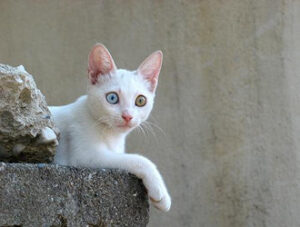
TurkishVan
Turkish Van (details)

Siberian
The Siberian Forest Cat, shortened to Siberian Cat, has the earliest written records from the 11th century: it was a very common cat in Russian markets and Siberian villages. Living in a harsh country, it is covered in long fur with a thick ruff around the neck. Its outer guard hairs are hard, smooth, and oily, and its dense undercoat resists the Siberian cold.

Chartreux
The Chartreux, also called the Chartreux Blue Cat, has the English name Chartreux. Native to France, its history dates to the 14th century. Together with the British Shorthair Blue and the Russian Blue, it is one of the world's three great blue cats. The Chartreux has a long history, recorded in publications as early as 1558.