Search Results
192 results for “dog massage”

Dog Massage Techniques and Tips
Regular massage eases a dog's anxiety and stress, and more importantly brings you and the pet much closer. How to massage a dog?
How should I massage my dog’s injured leg?
Not all leg injuries need massage. Abrasions need disinfection, deep wounds need sutures. Fractures must NOT be massaged—go to a vet for fixation/surgery. Only sprains/strains can be massaged after oozing stops: gently knead the injured muscle for ~1 minute, release, repeat 3-5 times.
How to massage a dog?
Massaging a Teddy is like massaging a person: gently pet it to relax, then scratch the chin, ear base and armpit. Mind the pressure since small dogs have fragile joints, and watch its reaction to focus on comfortable spots.
Where on the belly should I massage when assisting a dog’s delivery?
Massage the contraction area with care, but it may not help if the fetus is malpositioned. For dystocia, go to a vet; traction is typically used to pull the puppy out.

How to Massage Your Dog
Does your dog always seem tense, stiff, or even a bit irritable? A gentle massage can release pent-up emotion and negative energy, helping your pet become calmer and more relaxed. This article explains the benefits of canine massage and two basic techniques you can use at home.

How to Clean Your Cat’s or Dog’s Ears
A buildup of ear wax or ear mites usually means cleaning has been neglected. A regular routine keeps the canals clear of dirt and moisture, prevents infection and parasites, and only takes a few gentle steps.

Why Your Dog’s Ears Turn Red and How to Clean Them
Red, inflamed ears usually point to dermatitis, yeast or ear-mite infection, or occasionally a growth that needs a vet. Clear loose wax with a vet-approved ear solution, and seek professional help if you notice a foul dark discharge or a firm lump.

Bathing a Dog with Sensitive Skin
Wet fur reveals hidden skin problems, so bathe a sensitive-skin dog with care: a non-slip mat, cool-to-lukewarm water, gentle massage (never against the grain), thorough rinsing, ear cleaning, and careful drying. Bathe every 7–10 days in warm seasons, 10–20 in cold — or as your vet directs.
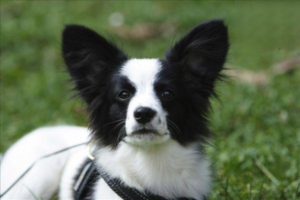
How to Manage Heavy Shedding in Dogs
Heavy shedding often signals a diet gap or poor coat care. Feed a balanced natural diet (broccoli, salmon, cooked egg yolk help), brush daily, bathe with a mild pet shampoo 2–3 times a month, allow some sun, and keep bedding dry — but never shave the coat bare.

What to Do If Your Dog Has Eyeworms
Eyeworms (Thelazia callipaeda) are milky-white nematodes that live beneath a dog's eyelids and are transmitted by flies, causing tearing, redness, and corneal ulcers. They are cleared with pet-safe eyeworm drops such as levamisole, followed by flushing and antibiotic ointment, or removed by a veterinarian.