Search Results
52 results for “dog licking paws”
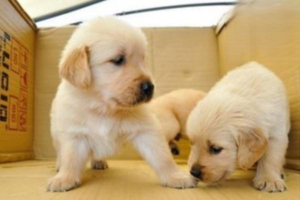
How to Tell If a Dog Likes or Dislikes You
Dogs are humans' best friends and owners love their dogs dearly, but once you have one you must understand them, including which behaviors they dislike.

Why Dogs Constantly Lick Their Paws
Dogs lick their paws for many reasons, anxiety and boredom, dry cracked pads, a nutritional gap, or pain from interdigital dermatitis. Calming the dog, moisturizing pads, and treating any infection usually solve it.
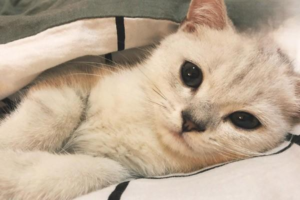
How to Prevent Heatstroke in Cats
Cats can overheat when confined in hot, poorly ventilated spaces; their thermoneutral zone is about 30–36°C, and indoor heat can exceed that. Signs include panting, 'greasy' sweaty paws, drooling, red mucous membranes, and collapse. Prevention is cooling and hydration; severe cases with seizures or coma need urgent veterinary care.

How Cats Show Affection: Common Loving Behaviors
Cats express affection through a surprising range of body language — purring, slow blinks, head rubbing, and kneading are all signs of trust and contentment. Rolling onto their back or trailing after you from room to room means they feel safe and have claimed you as their own.

How to Treat Canine Atopic Dermatitis (CAD)
Canine atopic dermatitis (CAD), or environmental allergy, usually starts between 6 weeks and 3 years and causes intense itch on paws, armpits, belly, face, and ears. Corticosteroids relieve itch fastest but carry side effects; use them short-term and under guidance.

Damp Weather as a Cause of Cat Eczema
Just like people, cats get eczema in damp weather. Lesions appear on the neck, back, belly, and paws, with itching and weeping sores. Treat by removing the cause, stopping self-trauma, and using zinc-oxide ointment plus an antihistamine.

Signs of Canine Interdigital Dermatitis and How to Handle It
Canine interdigital dermatitis is a skin disease between the toes, usually from paws often getting wet without timely drying, in a long-term damp environment causing bacterial infection. After infection, small pink-red bumps like acne appear, then obvious redness, swelling and pus, and the dog is in pain and afraid to walk. How to avoid and handle it? See our summary.

Turkish Angora
The Turkish Angora, named for Turkey's capital Ankara, is one of the oldest long-haired breeds, dating to the 16th century. Elegant with silky, medium-length coat and almond eyes, it is agile, independent, and famously fond of water. Once nearly supplanted by the Persian, it was revived in the US from 1963 and is now carefully bred to preserve its pure bloodline.

Shih Tzu Rabbit
The Shih Tzu Rabbit is a pet rabbit breed developed in China. It has a small, cute appearance with very long coat and long facial fur, black eyes, and ears that are either upright or lopped. It is not yet recognized by any rabbit association.

How to Tell If Your Cat Is Happy at Home
A relaxed, content cat shows it in small ways: sleeping in odd poses, following you around, holding its tail high, the occasional mad dash, and kneading with its paws. Reading these signals helps you know your cat truly feels safe.