Search Results
33 results for “dog lactose intolerance”

Signs of Lactose Intolerance in Dogs
Not every dog suits milk; some are lactose-intolerant, others allergic. Intolerance shows as watery diarrhea, vomiting, no appetite, bloating, and gas; allergy adds itchy red skin, hives, facial swelling, even breathing trouble. Stop milk and see a vet if severe.

Lactose Intolerance in Dogs and Cats
Lactose intolerance in dogs and cats is the inability to digest lactose in milk and dairy products because of low lactase activity in the intestinal lining. It causes osmotic diarrhea, abdominal discomfort, and a gurgling abdomen after dairy is consumed, and resolves simply by removing dairy from the diet.

What Can Dogs Drink Besides Water?
Beyond water, dogs can have a little lactose-free care, homemade chicken soup, or carrot juice, but never human juice, alcohol, or tea. Milk often causes upset stomachs due to lactose intolerance.
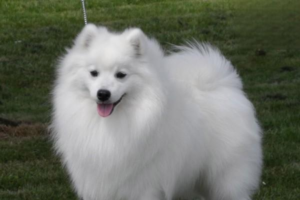
Why Dogs Can Drink Goat Milk but Not Cow Milk
Today let's learn why dogs shouldn't drink cow milk.

Tips for a Safe Road Trip with Your Dog
Driving home with your dog for the holidays? Pack a safety kit, use a pet seat belt, avoid toxic foods like chocolate and grapes, and protect nervous dogs from fireworks. Good preparation keeps the trip safe for everyone.

What to Do When Dogs and Cats Have Diarrhea? Keep These Fast Antidiarrheals on Hand
The medical term for diarrhea is diarrhea, which usually refers to changes in bowel habits and stool characteristics, generally manifested as frequent defecation, increased stool volume, loose stools, and bloody stool. Most diarrhea in dogs and cats is caused by gastrointestinal discomfort, but it may also be a concurrent symptom of other diseases. Today we discuss knowledge about diarrhea in dogs and cats.

Gastroenteritis in Dogs and Cats: Types, Symptoms & Medication
Gastroenteritis in dogs and cats spans gastritis (acute/chronic) and enteritis (viral, bacterial, parasitic). This guide covers causes, symptoms, and the medication approach—anti-inflammatories, anti-vomiting, anti-diarrhea, dewormers, probiotics—plus prevention.
Why can’t dogs drink milk?
Dogs lack lactase and easily get lactose intolerance from milk—vomiting, diarrhea. Use pet goat's milk instead; a little cow's milk usually causes no obvious issue.
What Happens If an Adult Dog Drinks Milk?
Adult dogs drinking milk may become lactose intolerant. They digest some lactose but have low lactase, so may get indigestion and diarrhea. Milk's high fat and protein can cause obesity if drunk long-term. Occasional small amounts are fine, but not as daily diet; switch to lactose-free or goat milk if diarrhea occurs.
What happens if a dog eats too much cheese?
Cheese is fine in moderation and aids digestion, but cold cheese may cause abdominal pain and diarrhea. Eating too much at once burdens the gut and unbalances flora.