Search Results
101 results for “dog intestinal bleeding”

Dog Diarrhea: Causes and What to Do
Normal dog stool is formed brown 1-2 times daily; diarrhea is soft/watery, more frequent, sometimes with blood or odor, and low energy. Causes range from diet and stress to viruses, bacteria, parasites, IBD, and tumors; fast, probiotics, and vet care by severity.

The Effects and Benefits of Probiotics for Cats and Dogs
Probiotics are microorganisms, not medicine—they are not addictive and do not create dependency. They attach to the intestinal walls and villi of the small and large intestines, helping fight off bad bacteria, aiding nutrient absorption, and stimulating the secretion of digestive enzymes.
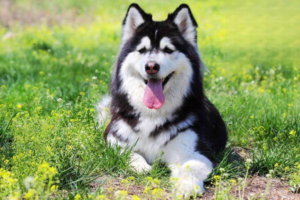
What Causes Diarrhea in Dogs
In our daily life, dog diarrhea is common. There are many causes; owners must not take it lightly, because diarrhea may signal other diseases, so find the specific cause for correct treatment. So how do dogs get diarrhea?

Intestinal Intussusception in Dogs: An In-Depth Guide
Intussusception occurs when one segment of the intestine telescopes into an adjacent section, most often in the small intestine. A complete blockage can cause acute, severe symptoms and even shock or death. Recognizing the causes and diagnostic steps helps your vet treat it before it becomes life-threatening.
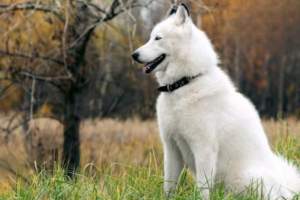
Why Is My Dog Having Diarrhea and a Fever?
A dog's fever usually comes from respiratory illness (cold, bronchitis, pneumonia), internal parasites (causing gut inflammation, poor appetite, anemia, fever), or infectious disease like distemper (strong gut reaction - best treated at a hospital).

Common Food and Drug Poisoning in Cats and Dogs: Symptoms and Treatment
Poisoning in pets is uncommon but dangerous. It falls into food poisoning (bacterial, fungal, toxic plants, chemicals, and human foods like onions, chocolate, macadamia) and drug poisoning (aspirin, ibuprofen, acetaminophen, vitamin D, ivermectin). This article covers the symptoms and what to do.

What to Do When a Small Dog Has a Hypoglycemic Shock
Puppies and small dogs are especially prone to low blood sugar, particularly as the weather turns cool — shock, seizures, dropping temperature, and drooling can follow. Keep a small dog warm and know the first aid. Learn prevention and emergency care.

What Causes Watery, Foul-Smelling Dog Stools with Blood?
When a dog has watery stools with a bloody, foul smell, diarrhea, or blood in the stool, many owners first fear infections like parvovirus or coronavirus. But not only infections cause watery stools. This article explains the possible causes of bloody, foul-smelling diarrhea in dogs.

Causes of Regenerative Anemia in Dogs
Regenerative anemia means the bone marrow still makes red cells but too slowly to keep up—driven by toxin, infection, blood loss, or parasites. Most causes are preventable with deworming, tick control, and keeping toxins away from the dog.

Essential Medications to Keep on Hand for Your Dog
Illness or injury can strike at night, so every dog owner should keep a basic pet first-aid supply at home. This guide lists useful external, digestive and special-purpose medications to have ready.