Search Results
697 results for “dog injury”
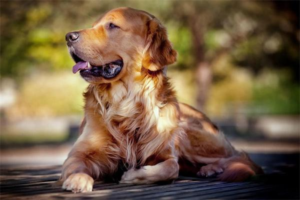
Why Does a Golden Retriever’s Nose Lose Color?
A Golden Retriever's nose can fade for many reasons: too little sunlight, cold weather, aging, genetics, poor nutrition, allergy, or a past injury. Cold-season and genetic fading are normal and need no action, and senior dogs simply show natural aging. But if fading comes from lack of vitamins and minerals or from allergy, step in to prevent bigger problems. Provide sun time, a balanced high-quality diet, and see a vet if allergy is suspected.

Red-headed Side-necked Turtle
The red-headed side-necked turtle (Platemys platycephala) is a flat-headed South American side-neck from the Amazon and Orinoco basins, with a dark orange-red head. Shy and cold-sensitive, it is best kept much like a box turtle.

Gopher Tortoise
The Gopher Tortoise (Gopherus polyphemus) is a burrowing land turtle of the southeastern United States, strictly herbivorous and protected by law due to its small wild population. Famous for digging deep burrows (11–15 m), it needs a dry, sandy outdoor enclosure with plenty of sunny space.

Canine and Feline Nasolacrimal Duct Obstruction (Epiphora)
Nasolacrimal duct obstruction blocks normal tear drainage in dogs and cats, causing chronic epiphora (tear overflow) and facial staining. Congenital duct atresia usually needs surgical correction, while acquired obstruction from conjunctivitis or injury is managed by treating the underlying cause.

Canine and Feline Keratitis: Symptoms, Treatment, and Prevention
Keratitis is inflammation of the cornea in dogs and cats from trauma, microbes, or chemicals, causing pain, cloudiness, and ulcers that can threaten sight. Prompt care protects the cornea and preserves vision.
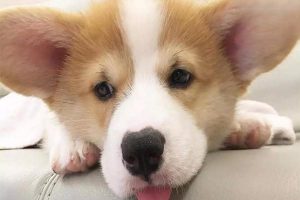
Canine and Feline Cherry Eye (Third Eyelid Gland Prolapse): Symptoms, Treatment, and Care
Cherry eye is the prolapse of the third eyelid gland in dogs and cats, appearing as a pink mass at the inner corner of the eye. Mild inflammatory cases settle with drops, but surgery is often needed to replace the gland.

Canine and Feline Blepharitis: Symptoms, Treatment, and Prevention
Blepharitis is inflammation of the eyelid margin in dogs and cats, usually from bacterial or fungal infection of overactive glands, causing redness, crusting, and often conjunctivitis. It is treated by cleaning the lid and controlling infection.
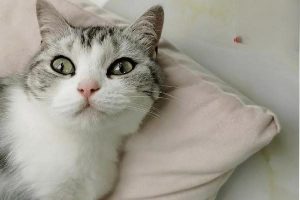
Canine and Feline Ectropion: Symptoms, Treatment, and Prevention
Ectropion is the outward turning of the eyelid—usually the lower lid in dogs—leaving the eye exposed and prone to conjunctivitis and keratitis. Mild cases need eye care; severe cases need surgical correction.
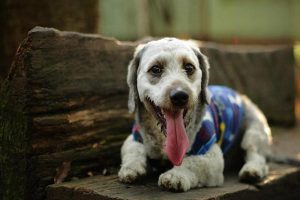
Canine Self-Biting (Acral Self-Trauma) Syndrome: Symptoms, Causes, and Care
Self-biting syndrome is a compulsive behavior in dogs that leads to biting of the tail, limbs, or body, causing wounds and infection. It stems from parasites, nutritional gaps, allergies, or anxiety, and requires both behavior and medical management.
Canine and Feline Atopic (Allergic) Dermatitis: Symptoms, Treatment, and Prevention
Atopic dermatitis, also called allergic dermatitis, is an IgE-mediated skin hypersensitivity in dogs and cats, marked by intense itching, redness, and hair loss that often begins around the eyes, toes, and groin. Mild cases may resolve once the allergen is removed, while persistent cases need veterinary-directed anti-inflammatory therapy.