Search Results
697 results for “dog injury”
My dog was accidentally run over by a wheelchair today, then refused food and water, vomited white foam, became inactive, normal elimination, throat gurgling, labored breathing. Any way to save it? It’s a one-month-old rural dog and family won’t take it to a hospital.
Difficulty breathing after being crushed suggests chest or lung compression; keep the dog calm and sitting, clear the airway, and seek emergency care without delay.
What happens if a dog injures its internal organs?
When a dog injures its internal organs it usually shows lethargy, poor appetite, drowsiness, reluctance to move, blood in the urine or stool, difficulty breathing, pale gums, and a sensitive abdomen. Different organs produce different symptoms, so prompt veterinary diagnosis is important.
How to groom (trim) a dog’s fur?
Bathe and dry the dog first, then trim from the face outward with scissors parallel to skin. Don't forget paw pads and the anal area, which soil easily.
My puppy fell; looks like no fracture but I fear internal injury – how to tell, and should I take it to the hospital?
A fall can cause internal organ damage or limb fractures. Severe internal injury shows enlarged abdomen, abdominal pain, unwillingness to walk, depression. Mild injury shows no signs soon but slow bleeding is life-threatening. Abnormal gait may be sprain (rest 3-5 days) or fracture. For any abnormality after a fall, get DR or B-ultrasound imaging.
How long does a dog’s seizure last?
A dog's epileptic seizure can cause convulsions lasting from a few seconds to dozens of minutes, but prolonged convulsions are very dangerous. Keep calm and clear obstacles to prevent injury.
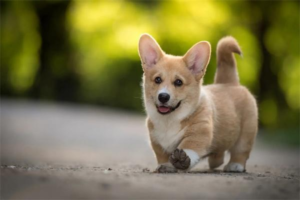
Why Does My Dog Bleed When I Brush Its Teeth?
Bleeding during brushing can come from a too-hard brush, wrong technique, vitamin deficiency, or mouth disease. A hard brush or poor method can nick the gums. Use dog-specific brush and paste and learn the right technique. If bleeding recurs, see a vet to find and treat the cause.

Causes and Treatment of Muscle Strain in Dogs
Common causes of muscle strain in dogs include prolonged or excessive exercise, accidental injury, and lack of warm-up. Warming up before activity lowers the risk. To prevent strains, control exercise duration and intensity. If a strain occurs, relieve symptoms and aid recovery with cold compresses, medication, and rest with limited activity.

How to Treat Joint Effusion in Dogs?
Joint effusion—fluid building up from joint inflammation—is common and painful; at the first signs see a vet and follow their plan. Causes include arthritis, infection, and structural abnormality. Treatment ranges from anti-inflammatory and pain drugs, physical therapy (heat/cold/massage), and surgery for severe cases, plus joint supplements like glucosamine. Prevent with weight control, moderate exercise, and avoiding joint overuse.
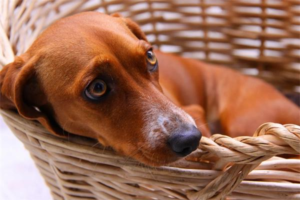
Why Is My Dog’s Leg Cramping?
Leg cramps can come from cold, calcium deficiency, disease after-effects, or injury, and treatment depends on the cause. Warm a chilled dog up; have a vet check a possibly deficient one. Frequent cramps warrant a veterinary exam.

Dog Frostbite: Symptoms and Treatment
Frostbite ranges from reddened, swollen skin (mild, resolves once warmed) to blisters and, in severe cases, tissue death. Move the dog indoors, warm the affected paws, ears, or tail in 18–38°C water, and see a vet for serious cases. Breeds like Huskies and Malamutes tolerate cold; Chihuahuas and Pugs need coats.