Search Results
9 results for “dog hyperactivity”
Causes and Signs of Dog Hyperactivity
Canine hyperactivity may stem from genetics, low blood phospholipids, or long-term lack of socialization and exercise. Signs include constant over-excitement, sensitivity and impulsivity, and poor focus. Ensure regular exercise and social contact to help prevent it.

Hypoparathyroidism in Dogs and Cats
Hypoparathyroidism is low parathyroid hormone from parathyroid injury that causes severe low blood calcium and neuromuscular hyperexcitability: muscle tremors, ataxia, and seizures. Correcting calcium with calcium and vitamin D is the mainstay of treatment.

Hyperthyroidism in Dogs and Cats
Hyperthyroidism is excess thyroid hormone from a thyroid tumor or hyperplasia that raises metabolism and nerve excitability. It causes weight loss with increased appetite, a fast or irregular heartbeat, and hyperactivity, and is managed with antithyroid drugs, radioactive iodine, or surgery.
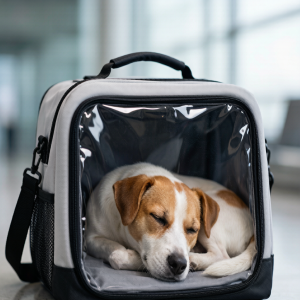
Should You Sedate Your Dog for a Flight?
You have packed your bags and your pet has a health certificate, so you are ready for a vacation with your pet. But you may ask: if I take it on a plane, should I give it a sedative? This article weighs the pros and cons of sedating a dog for air travel.

What to Do If Your Dog Eats Amphetamines
Amphetamines are human prescription stimulants that are toxic to dogs, usually swallowed by accident. Signs appear within one to two hours and include restlessness, tremors, and seizures. Prompt veterinary treatment is essential.

Hair Loss and Excessive Urination? Symptoms of Hormonal Imbalance in Cats
Feline hormonal (endocrine) imbalance is not one disease but a sign of disorders such as hyperthyroidism, diabetes, Cushing's syndrome, or hypothyroidism. Hyperthyroidism brings ravenous appetite with weight loss, thirst, and overactivity; diabetes causes the 'three polys plus weight loss' and weak hind legs; hypothyroidism shows as lethargy, weight gain, and a dry, thinning coat. See a vet for blood and urine tests if you notice these signs.
Why Cats Get the “Poop Zoomies”
That burst of speed and chaos right after a cat uses the litter box has a name: the "poop zoomies." It is just a behavior, not a disease, and is common in cats but not dogs. No treatment is needed — though if it knocks things over, move the box somewhere safer. Watch for look-alike conditions: hyperthyroidism in older cats (hyperactive at other times too, eating more but losing weight) or pain on elimination from cystitis or blocked urethra. The zoomies likely trace to a wild instinct — the litter box is the most vulnerable moment, so run fast afterward.

Rabies: Symptoms, Transmission, and the Critical Importance of Vaccination
Rabies is a fatal viral disease that affects the brain and spinal cord of mammals, including dogs, cats, and humans. It spreads through the bite of an infected animal and causes fear of water, light, and progressive paralysis. Prevention through vaccination is the only reliable defense.

Can Cats Have Caffeine?
Caffeine is toxic to cats—even tiny amounts can be fatal, with side effects appearing at about 14 mg per pound of body weight. Keep coffee, tea, beans, grounds, and caffeine pills out of reach, and seek emergency care if you see restlessness, a rapid heart rate, or seizures.