Search Results
147 results for “dog hydration”
What Are the Signs of Dehydration in Dogs?
Dehydration signs include reduced skin elasticity, lethargy, poor appetite, a dry nose, and thick sticky saliva. Dogs lose water fast by panting to cool down and from low water intake, so monitor drinking and ensure enough water.

Symptoms and Treatment of Dehydration in Dogs
Dehydration occurs when the body's water falls below normal levels, usually involving loss of water and electrolytes such as sodium, chlorine, and potassium. This article describes the signs of dehydration in dogs, how it is diagnosed, and how it is treated.
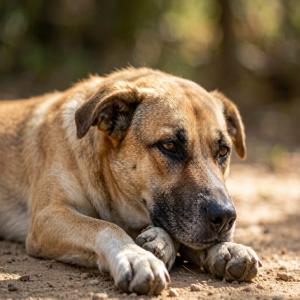
Causes and Diagnosis of Dehydration in Dogs
Dehydration can be caused by many diseases or abnormalities, which fall into two broad categories: reduced fluid intake and increased fluid loss. This article explains the common causes and how veterinarians grade dehydration severity by skin elasticity and lab tests.
How to Tell If a Dog Has Parvo
Parvo (CPV) causes vomiting, diarrhea (often bloody), appetite loss, fever, and dehydration, especially in unvaccinated puppies. Suspect it with those signs, check for contact with sick dogs, and confirm with a fecal or blood antigen test. Treatment is isolation, symptom control, fluids, and antibiotics to prevent secondary infection.
How can I tell if my dog has parvovirus?
Watch for lethargy, vomiting, diarrhea, fever and, severely, bloody stool or shock. A vet parvo test strip confirms it; get professional care and fluids promptly.
What is the fastest way to make a dog urinate?
Diuretics like hydrochlorothiazide or furosemide work fastest, but must follow vet guidance. If they fail, a clinic can catheterize or you can gently press the bladder.
What causes a dog’s sudden severe vomiting and diarrhea?
Sudden, severe vomiting and diarrhea in dogs usually signals parvovirus. It causes dehydration and lethargy, and untreated can progress to pneumonia; prompt veterinary care is essential.
What medicine should you give a dog with acute gastroenteritis?
Use anti-inflammatory drugs with amoxicillin-clavulanate, cephalosporin or metronidazole, plus anti-diarrhea and anti-vomiting meds. For frequent vomiting and diarrhea, get IV fluids at a clinic to prevent dehydration, then feed plain food and probiotics.
How can I treat my dog’s parvovirus at home?
Withhold food and water, give serum and interferon by weight, and use anti-emetics, antidiarrheals and fluids. Parvo is tricky, so vet care is strongly advised.

How to Quickly Rehydrate a Dehydrated Dog
Dehydration from vomiting, diarrhea, or low water intake shows as poor appetite, dry nose, sunken eyes, and sticky saliva. For mild cases give glucose, electrolyte, or lightly salted water; for severe cases (weakness, collapse) get IV fluids at the vet. Prevention means constant clean water and prompt control of vomiting/diarrhea.