Search Results
72 results for “dog house training”
My Dog Won’t Poop or Pee in a New Home — What to Do
A dog that holds its pee and poop for 12–24 hours after a move is usually just stressed — a normal self-protective response. Set up a small, quiet, familiar space, use its own scent to mark the new toilet spot, and see a vet if it goes over 36 hours or seems unwell.

Why Is My House-Trained Dog Peeing Indoors?
A house-trained dog that suddenly pees indoors often has a medical cause — a UTI, bladder stones, cognitive decline, kidney disease, diabetes, or Cushing's — or a psychological one like separation anxiety, stress, or fear from past scolding. Rule out illness first with a urine and ultrasound check, then rebuild security with routine and calm alone-time training.

Why a Schnauzer May Not Be the Right Dog for You
Schnauzers are clever, brave, and cheap to feed, but they are not as easy as they look: they bark when left alone or visited, they are smart yet stubborn, they have sensitive skin prone to allergies and infections, they carry hereditary risks like progressive retinal atrophy and intervertebral disc disease, and their long coats need regular grooming. New owners should think carefully.

Which Dog Breeds Rarely Bark?
Naturally quiet breeds include the Rottweiler, French Bulldog, Pug, Shiba Inu, Basenji, Great Pyrenees, Papillon, Shetland Sheepdog, and Bernese Mountain Dog. Every dog is an individual, though, so personality, training, and health all affect how often a dog barks.
Why Is My Dog Peeing in the House?
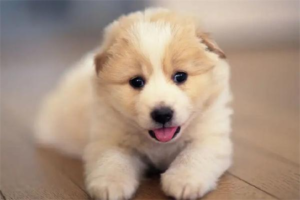
A dog that urinates indoors may be in heat, untrained, marking territory, stressed by a broken routine, seeking attention, acting out, aging, over-excited, or suffering a urinary infection. If accidents come with other symptoms such as blood in the urine, a vet visit is needed.

What Should First-Time Dog Owners Prepare?
First-time dog owners need three kinds of readiness: mental (patience for barking, accidents, and shedding, plus daily time to walk and play), supplies (food, bowls, bed, leash, ID, grooming and cleaning gear, toys, a basic first-aid kit), and know-how (local licensing, basic training, home safety, and routine deworming, vaccines, and grooming).
What Types of Dog Collars Are Available?
Choosing the right collar matters for every dog owner, both for safe daily walks and your dog's comfort. The market offers a wide variety of options—leather, nylon, metal chain, buckle, harness-style, studded, and even GPS-tracking collars—each designed with distinct advantages. Leather collars are durable and attractive but not water-resistant; nylon is light, washable, and adjustable; chain collars suit strong pullers yet require gentle handling; buckle collars grow with puppies; harness collars are cute and reduce strain; studded collars deter escapes; and GPS collars help recover a lost pet. Matching the collar to your dog's size, breed, and behavior—along with your own preferences—ensures both safety and comfort.
Dog at 7 Is Like a Human at 50: Early Signs of Senior Dog Diseases
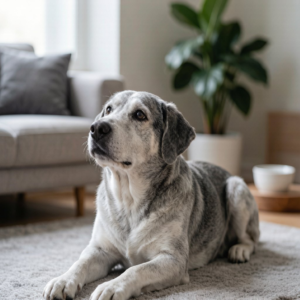
At 7, every dog, large or small, has entered its senior years and organs start declining faster. Studies show kidney filtration drops 12-18% and joint cartilage wears three times quicker after 7. Many early signs get mistaken for "normal aging" and missed. Watch for osteoarthritis (stiff rising, hesitant stairs, liking soft beds), dental disease (red bleeding gums, loose teeth, bad breath, favoring soft food), chronic kidney disease (drinking and urinating more, later ammonia breath and weight loss), and cognitive dysfunction (getting lost at home, night waking, forgetting house-training). These diseases can't be cured, but early action slows them and extends life.
Do Dogs Actually Hate Their Owners?
Dogs rarely truly hate their owners; what looks like dislike is usually a response to neglect, coldness, or harsh scolding. A dog that is ignored, criticized, or treated roughly may act aloof, have accidents in the house, or even growl. Often it is simply expressing unmet emotional needs. Pay attention to your dog's feelings, build regular positive interaction, and remember that sudden unfriendliness can also signal pain or illness that warrants a veterinary check.
How to Stop Your Dog From Peeing Everywhere
A dog treats the whole world as its toilet, but at home that is unacceptable - and scolding alone never works because the dog simply does not know. Inappropriate urination has many roots: territory marking (common in adult males), no house-training, revenge moved to the sofa after being yelled at, unclear home boundaries, attention-seeking, fear from abuse, post-neuter incontinence, or illness. The fix is patient positive training: indoor spot training, outdoor training, and never hitting the dog. Holding urine over eight hours harms the kidneys, so leash up and clean up on walks.