Search Results
89 results for “dog high blood sugar”

Golden Retriever
The Golden Retriever is a friendly, intelligent and devoted sporting dog originally bred in Scotland to retrieve waterfowl. Highly trainable and gentle, it is one of the most popular family companions and service dogs in the world.

Ragdoll
Ragdoll (details)
What happens if a Teddy eats milk candy?
Milk candy harms oral health (plaque, tartar, gingivitis), burdens digestion causing shedding, and causes obesity with diabetes/heart risks. It can also lead to picky eating.
What should I do if my puppy is listless and won’t eat?
A listless puppy that won't eat is very likely sick, since puppies have weak immunity and a higher risk of infection. Watch for vomiting, diarrhea, a runny nose or coughing, and take the puppy to a vet promptly to rule out distemper or parvovirus. A puppy under one month old may simply have low blood sugar from poor nutrition.

Hair Loss and Excessive Urination? Symptoms of Hormonal Imbalance in Cats
Feline hormonal (endocrine) imbalance is not one disease but a sign of disorders such as hyperthyroidism, diabetes, Cushing's syndrome, or hypothyroidism. Hyperthyroidism brings ravenous appetite with weight loss, thirst, and overactivity; diabetes causes the 'three polys plus weight loss' and weak hind legs; hypothyroidism shows as lethargy, weight gain, and a dry, thinning coat. See a vet for blood and urine tests if you notice these signs.

A Practical Guide to CoQ10 Supplements for Pets
CoQ10 is a nutrient concentrated in heart-muscle cells that fuels the heart and fights oxidative damage, which is why veterinarians often suggest it alongside cardiac care for aging or at-risk pets. With demand up, product quality varies widely, so owners should judge a supplement on stated content, safe source, credentials, and smart pairings rather than marketing. This guide covers what CoQ10 does, how to pick a quality product, and the dosing and safety points—including who benefits, how much to give, and which drugs it must not be mixed with. CoQ10 supports care; it never replaces prescribed heart medication.

How to Prevent Seizures After a Puppy Recovers from Distemper
Seizures can appear even after a distemper test turns negative because the virus is neurotropic—central-nervous-system damage and lingering inflammation may already be set. Prevention rests on three pillars: ease neuroinflammation, protect and repair nerve tissue, and avoid triggers. Nerve-support supplements (B vitamins, fish oil, citicoline, mecobalamin) help, and high-risk puppies may need low-dose long-term anti-seizure medication under a vet's supervision. Keep the environment calm and warm, skip baths during recovery, and feed highly digestible food with vitamin E, selenium, and lecithin. Learn the early warnings—repeated nodding, limb tremors, circling—so you can act before a full seizure.
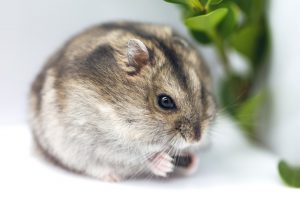
Winter White Dwarf Hamster
The Winter White Dwarf Hamster (Phodopus sungorus), also called the Djungarian hamster or Russian dwarf, is the easiest and tamest of the small hamsters and turns white in winter. A solitary species, it needs a safe cage, a wheel, and a careful diet free of onion, chocolate, and apple seeds. Lifespan 2–3 years.

Maternal Hypoglycemia in Bitches
Maternal hypoglycemia is low blood sugar in a mother dog around whelping, caused by the heavy energy demand of pregnancy and nursing. It brings fever, tremors, and even coma, and needs quick glucose and good nutrition.
- « Previous
- 1
- …
- 7
- 8
- 9