Search Results
42 results for “dog hairball”
How is RedDog hairball paste?
RedDog hairball paste helps pass hairballs and is free of hydrogenated oil, mineral oil and artificial attractants, so fairly safe. But its ingredient list is vague, and the milk powder may upset lactose-intolerant cats' stomachs.
What happens if a dog eats hairball paste
Hairball paste contains oils, syrup, and fiber to lubricate the gut and ease constipation. A little licked up is harmless, but too much can cause vomiting, diarrhea, and weight gain from its high fat.
What happens if a dog eats cat hairball paste?
A small amount of cat hairball paste is usually harmless, but too much can cause diarrhea. The paste's oils and fiber aid cats' gut movement, but dogs lack hairballs, so it loosens stools. If diarrhea occurs, give probiotics and plenty of warm water to avoid dehydration.

Understanding Why Dogs Eat Grass
It is normal for a dog to eat grass during a walk; this is a normal activity for dogs, and you need not worry about the dog's appetite or bowel movements.

Why Can’t Dogs Digest Fur?
Cats and dogs both swallow fur, but cats vomit it up and dogs don't. Today we look at the fur dogs ingest.

What’s Most Commonly Found in Dog Poop?
What are the most common things found in dog poop?

How to Solve a Dog’s Chronic Constipation
Constipation in dogs comes from low fiber, little exercise, or underlying illness, and counts as no stool for 48 hours. Mild cases improve with more walks, water, and plain pumpkin or apple.

Why Do Cats and Dogs Vomit
There are many causes of vomiting in cats and dogs, and it can be either physiological or pathological. Frequent vomiting is usually disease-related. Here is a detailed explanation.

Can Hamsters Get Hairballs?
Hamsters can develop hairballs (trichobezoars) when weak digestion or excess grooming lets ingested fur accumulate, showing as reduced appetite and shrinking stools. Mild cases need fiber and water; severe cases need a small-pet hairball paste — never cat/dog formulas.
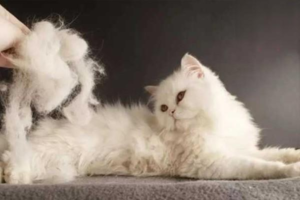
Common Causes of Shedding in Cats and Dogs and How to Relieve It with Medication
Shedding in pets is common, but excessive or abnormal hair loss usually signals an underlying problem—seasonal coat change, parasites, fungal infection, poor nutrition, allergies, hormonal imbalance, over-bathing, or stress. This article covers the causes and the medications that help.