Search Results
276 results for “dog gums”

Canine Infectious Hepatitis: Can It Be Treated
Canine infectious hepatitis is an acute, often severe viral disease of dogs caused by canine adenovirus type 1 (CAV-1). It spreads through urine, saliva, and nasal discharge and hits weaned puppies hardest, sometimes with no warning signs. Typical signs include a fever that rises then falls, lethargy, vomiting, diarrhea, and a characteristic cloudy "blue eye" in about a quarter of recovering dogs. While there is no direct cure that eliminates the virus, most dogs recover with prompt supportive care such as fluids, liver protection, and antibiotics to control secondary infection. The good news is that the disease is highly preventable through routine vaccination, with puppy shots given at 8-9 and 10-12 weeks and annual boosters for adults.

What Is Canine Methemoglobinemia
Familial methemoglobinemia is an inherited defect in the enzyme that converts methemoglobin back to normal hemoglobin, so a dog's blood carries less oxygen. The hallmark is a persistent bluish discoloration of the gums and chocolate-brown blood. Most affected dogs live for years with few signs, but oxidant exposure can turn it dangerous.

Emergency Care for a Pet With Heatstroke
Dogs cool only through their paw pads and tongue, so a thick coat turns summer into a sweater; heat, humidity, no water, hard exercise, or even clothes and shoes can tip them into heatstroke. Know the signs, and if you cannot reach a clinic, cool the body safely while rushing for help. This guide covers causes, symptoms, and emergency steps.

Why Pets Drool: Stomatitis and Periodontal Disease
Persistent drooling often points to mouth inflammation. Stomatitis can be contagious (virus-linked) and, in cats, often lifelong — a red line forms where gum meets tooth, with constant drooling. As it worsens, ulcers grow, the cat may stop eating and lose weight. Periodontitis, driven by bacteria and tartar, also causes drooling, bad breath, and tooth loss. Diagnosis needs an oral exam (often under anesthesia) and dental X-rays; treatment ranges from antibacterial rinses to antibiotics and, in severe tartar cases, extraction.
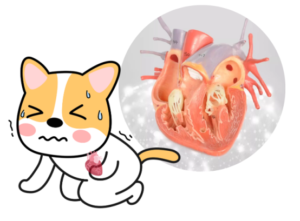
Pet CoQ10 Red/Black List Thinking: Reading the Test Data
About 10% of dogs and 7% of cats develop heart disease in their lifetime, and the early signs are easy to mistake for normal aging or a cold — until diagnosis, when the damage is often irreversible. CoQ10 is frequently advised, but 'which one' is the hard part. This guide separates the real science from the marketing: what CoQ10 actually does, the drug it cannot replace, and the four hard metrics a product should meet.

When Your Pet’s Heart Is Weak: CoQ10 as Part of the Plan
Heart problems are the quiet killers of pet health — by the time a dog pants after a short walk, coughs at night, breathes from the belly, or shows purple gums, heart failure may already be mid-stage and medication-only. CoQ10 is not a cure, but it is far from a placebo: it powers heart contraction, acts as a strong antioxidant, and declines with age. This guide covers the warning signs, the breeds at risk, and how CoQ10 fits into a real care plan.

Canine and Feline Splenic Tumors
Splenic tumors in dogs and cats may be primary or spread from other sites, and often stay silent until the spleen is already enlarged, causing bloating, pain, or anemia. Hemangiosarcoma can rupture and bleed dangerously, making prompt care essential.

Canine and Feline Eosinophilic Granuloma
Eosinophilic granuloma is an inflammatory skin and lip lesion seen mainly in cats, starting as a small smooth depression on the upper lip and spreading into a thickened, ulcerated, red swelling. It is managed with anti-inflammatory and immune-modulating therapy rather than surgery.

Canine and Feline Oral Squamous Cell Carcinoma
Oral squamous cell carcinoma is an aggressive, invasive tumor of the mouth lining in older dogs and cats, usually appearing as a firm, ulcerated white mass on the gums, tongue, or palate. Treatment options are limited and the prognosis is generally poor.

Canine and Feline Infectious Oral Papillomatosis
Infectious oral papillomatosis is a benign viral wart of the mouth caused by a papillomavirus and spread by direct contact, mainly in young dogs. The growths usually regress on their own within a few weeks, though large numbers can interfere with eating.