Search Results
276 results for “dog gums”

Hookworms in Dogs: Symptoms and Deworming
Hookworms are intestinal parasites named for their hook-like mouthparts, which anchor them to the gut wall. Only about an eighth of an inch long, they are hard to see, yet they drink large amounts of blood from tiny vessels and can inflame the gut, cause anemia, and threaten life, especially in puppies. Dogs catch them by mouth, through the skin, or from mother to pup via placenta and milk. Signs include pale gums, weakness, weight loss, and bloody diarrhea. Diagnosis is a fecal float, and treatment is regular deworming plus a repeat dose to kill newly matured worms.

Why Is Your Dog Drooling So Much?
A dog that drools a lot is not always just greedy. Drooling has many causes, and often it is a signal of illness worth noting. It may be dental problems or teething, a throat obstruction or injury, fear and anxiety, overheating, old age, or even car sickness. Most drooling is normal behavior, but if disease is suspected, see a vet.

Diseases Behind a Dog’s Rapid Panting
Panting is shallow, upper-airway breathing that cools a dog fast, normally brief after exercise. But constant rapid panting can signal respiratory disease, collapsed trachea, airway obstruction, hypoxia, bronchitis or pneumonia, heartworm or heart failure, or obesity. Match the cause to the treatment.

What to Do About Bad Dog Breath
Bad breath often starts in the mouth, but it can also signal metabolic disease. Check the teeth for tartar, inflamed gums, or ulcers, and watch for sudden appetite or thirst changes that warrant a vet visit. Daily or thrice-weekly brushing with pet toothpaste, plus professional cleaning, keeps breath fresh.

Common Oral Diseases in Dogs
Many owners struggle with their dog's bad breath and the distress of dental pain. This article shares the common oral diseases behind that odor and how to prevent and treat them. From tartar and gingivitis to periodontal disease, cavities, broken teeth, and malocclusion, understanding the causes is the first step to a healthier mouth.

Dog Vaccine Basics Every Owner Should Know
Core vaccines (must): distemper, parvovirus type 2, adenovirus type 2, rabies. Non-core (recommended by risk): parainfluenza, leptospira, Lyme, Bordetella, canine flu. Coronavirus vaccine is not recommended. 'X-in-1' just means how many diseases it covers; pick any combo containing core. Typical schedule: combo at 6, 9, 12 weeks, rabies at 14 weeks, then yearly. Stay 20–30 min post-shot to catch rare allergy (1.2%); skip baths 7–10 days, never vaccinate a sick dog, and don't buy vaccines online—use a clinic and keep the vaccine record for the license and travel.

Why Dogs Chew Furniture and Steal Socks and Shoes
Destructive chewing usually starts with paper and books, then escalates to shaking like prey. Causes: boredom and curiosity (Huskies are infamous explorers), the teething phase at 16–24 weeks when sore gums drive chewing, and prey drive—left-on-the-floor shoes and clothes become 'prey' to shake and tear. Fixes: supervise and interrupt, train basic obedience with rewards, exercise the dog outdoors, give teething chews and a crate to block furniture, and redirect prey drive with tug ropes and scent mats instead of furniture.

Why Your Dog’s Teeth Are Bleeding
Bleeding from a dog's mouth is common and usually mild, but it is worth understanding the cause. Puppies around three to four months old often bleed a little as loose baby teeth fall out — normal, but watch the diet. In adult dogs, bleeding gums usually point to dental disease: tartar sitting at the gum line constantly irritates the tissue and causes gingivitis or periodontitis. Hard objects can also cut the gums, and a lack of vitamin C plays a role. Because persistent bleeding can signal serious dental disease, a veterinary exam is the safe move.

Dog Bad Breath: What It Might Be Telling You
A few minutes with your dog and you may notice bad breath—which can mean more than odor. Causes range from dental or gum disease (check for tartar and red gums) to kidney disease (breath smells like ammonia from waste buildup), ingested toxins (including rat poison—see a vet fast), diabetes (a sweet, fruity ketoacidosis breath), foreign objects (fishhooks, stickers) or coprophagia, oral tumors (grow fast, may necrose and smell; get checked), and diet (dry vs wet food each has pros and cons). Brushing often fixes mild cases, but a serious underlying cause needs professional treatment.
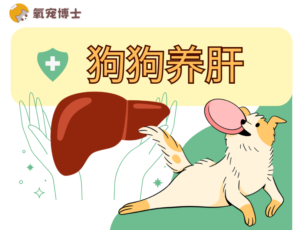
Foods That Support Your Dog’s Liver
The liver filters toxins, stores nutrients, and makes bile, yet it stays silent until heavily damaged—so daily support matters. Quality protein, cruciferous vegetables, and berries aid detoxification, while milk thistle, dandelion root, and omega-3s protect cells. Just as vital is what to skip: fatty foods, toxic items like chocolate, onion, and grapes, and human medicines that strain or poison the liver. Keep water flowing and weight healthy.