Search Results
18 results for “dog greeting behavior”

Is a Barking Dog Just Being Affectionate?
A dog's bark is communication, not spoiling — it barks from excitement, fear, warnings, or discomfort, and constant barking usually points to a lack of training. Cure it with consistent boundary work and quiet-reward training rather than rewarding the noise, or the habit only grows.

How Cats Show Affection: Common Loving Behaviors
Cats express affection through a surprising range of body language — purring, slow blinks, head rubbing, and kneading are all signs of trust and contentment. Rolling onto their back or trailing after you from room to room means they feel safe and have claimed you as their own.

What to Do When Your Dog Jumps on People
The most common behavior problem isn't biting but jumping up at people. You may not mind - it's affection - but others do. Here's how to correct it.
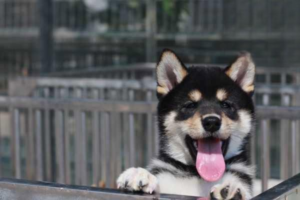
How Dogs Communicate and Socialize
During holidays we visit relatives and sometimes bring our pets. If the host also has pets, do you know how they socialize?

Understanding Dog Body Language
Dogs speak with barks, ears, tails, and posture. Learning to read barking patterns, ear positions, tail wags, and behaviors like pawing or scooting helps you understand what your dog is really saying.

How Dogs and Cats Greet Differently
Home from work, a dog leaps for play; a cat quietly approaches, rubs a leg and leaves, or watches from afar. Here is why.
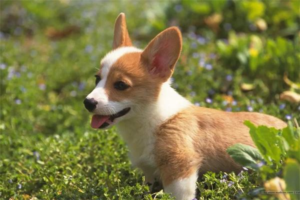
Why Won’t My Dog Let Other Dogs Sniff Its Behind?
Butt-sniffing is how dogs greet and exchange information like sex, age, and health. A dog that refuses may be shy or timid, have had a bad social experience, or lack trust with the other dog. Respect its comfort and build trust through safe, gradual socialization.
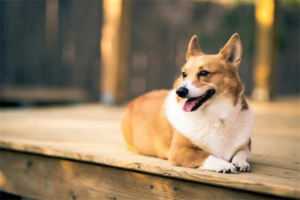
Signs of a Well-Behaved, Obedient Dog
A well-behaved dog obeys commands, stays close on walks, avoids mischief when alone, refuses food from strangers, and loves to be near its owner. Breeds like Golden Retrievers, Labradors, and Bichons are naturally gentle, and consistent training can make any dog better behaved.

Why Do Dogs Sniff Each Other’s Rear Before Mating?
Before mating, a dog sniffs the other's rear because the anal glands release pheromones that reveal sex, mood, health, diet, heat status, and dominance—helping it judge a match. Two males will leave or fight; a female picks a strong, healthy mate.
What does it mean when a dog wags its tail?
Tail wagging usually signals friendliness, shown toward familiar people or favorite food. The speed and size of the wag also reflect the dog's condition: healthy dogs wag vigorously and broadly, while sick or low dogs wag weakly and slowly. But do not judge illness by this alone.