Search Results
12 results for “dog glaucoma”
How to Tell If Your Cat or Dog Has Glaucoma
Glaucoma is a common eye disease in cats and dogs where blocked fluid drainage raises eye pressure, damages the optic nerve, and can end in blindness. It always comes with high eye pressure. Signs include a cloudy or enlarged eye, a fixed dilated pupil, vision loss, redness, and head pressing. Diagnosis uses eye-pressure and fundus exams, and treatment ranges from pressure-lowering drugs to, in severe pain, removal of the eye.
What Causes Glaucoma in Dogs?
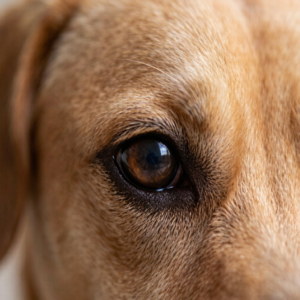
Canine glaucoma comes in primary and secondary forms. Primary glaucoma is a hereditary drainage-angle defect that blocks fluid outflow and raises eye pressure; it is common in Huskies, Chow Chows, Poodles, Cocker Spaniels, Beagles, and Maltese, usually appearing at 4–9 years. Secondary glaucoma follows eye disease such as uveitis, pupil blockage, lens luxation, or tumors. Treatment aims to lower pressure and save vision—medication works best early, but surgery is often needed later. Because early signs are subtle, at-risk breeds should have annual eye-pressure checks.
What to Do When Your Dog Has Uveitis
Uveitis is inflammation of the middle layer of the eye, rich in vessels that guard the blood-aqueous barrier, so when it flares the eye leaks protein and cells and can threaten sight. Causes range from injury to immune disease, infection, or tumors, and some cases are idiopathic. This guide explains the signs, diagnosis, and why prompt specialist care matters.
How to Tell If Your Dog Has an Eye Problem
Eye trouble shows as constant cloudy tears, hardened gunk, rubbing or bumping the eye, swollen or red lids, bulging (glaucoma), white clouding (cataracts), or entropion/ectropion. Clean with pet eye drops and wipes daily; correct lids and cornea with vet care. Flat-faced and loose-skinned breeds need extra caution.
Senior Dog Vision Fading? Foods That Protect the Eyes
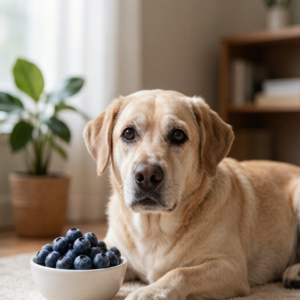
Eye disease is common in dogs—conjunctivitis, keratitis, glaucoma, cataracts—and over half of dogs past ten develop cataracts. Diet can slow that decline. Vitamin A from liver and carrot supports night vision; antioxidants like lutein, vitamins C and E, and anthocyanins guard the retina; omega-3 from fish eases dryness. Avoid overdoing vitamin A or raw food, and get seniors checked yearly.

Anterior Uveitis (Iridocyclitis) in Dogs and Cats
Anterior uveitis is inflammation of the iris and ciliary body in dogs and cats, causing pain, redness, and light sensitivity. It may arise from eye trauma, infection, or disease elsewhere in the body and requires prompt treatment to protect vision.

Canine and Feline Glaucoma: Symptoms, Treatment, and Prevention
Glaucoma is raised pressure inside the eye of dogs and cats from blocked fluid drainage, damaging the retina and optic nerve and risking blindness. It is managed with pressure-lowering drugs and, sometimes, surgery.

Coccidioidomycosis in Dogs and Cats: Symptoms, Treatment, and Prevention
Coccidioidomycosis, also called coccidioidal granuloma, is caused by Coccidioides immitis. It usually presents as an acute, benign, asymptomatic, or self-limiting primary respiratory infection, occasionally disseminating to form focal lesions in skin, subcutaneous tissue, lymph nodes, bone, liver, kidney, meninges, brain, or other tissues.
Alprazolam (Xanax) Use in Dogs and Cats
Alprazolam, commonly known by the brand name Xanax, is used in dogs and cats mainly as an anxiety reliever and muscle relaxant, often for storm phobia.
What Is Uveitis in Cats?
Uveitis is inflammation of the uvea, the middle layer of the eye, and it can be painful and watery for the cat. Most cases are not from a clear single cause; some stem from eye problems, others from disease elsewhere in the body. Because uveitis can lead to glaucoma and even blindness, it should never be ignored. A slit-lamp and eye-pressure exam confirm it, and treatment usually means anti-inflammatory eye drops. If no underlying illness is found, the outlook is good.