Search Results
953 results for “dog gas”

What Are the Symptoms of Gastroenteritis in Dogs
A dog's gut is sensitive, and tainted or raw food can trigger gastroenteritis — vomiting and diarrhea are the hallmarks, while the hemorrhagic form with blood in the stool is an emergency. A low-fat, easily digested diet and gradual food changes are the best prevention.

Pet Vomiting (Part 3): Vomiting from Internal Parasites and Toxicity in Dogs and Cats
Internal parasites living in a dog or cat's gut irritate the intestinal lining and trigger vomiting, sometimes expelling visible worms. Food poisoning causes far more violent vomiting along with seizures and drooling, and demands immediate induced vomiting and gastric lavage. Routine deworming and keeping toxic foods — onions, grapes, chocolate, macadamia nuts — out of reach are the best defenses.

What You Should Know About Vomiting in Cats and Dogs
Vomiting in pets splits into physiologic, from eating too fast or wrong food, and pathologic, from disease. Causes range from diet and gut issues to toxins and organ disease, and the timing of vomiting hints at the source, so see a vet when signs persist.

Why Does My Dog’s Poop Have Mucus?
A little clear mucus on the end of a stool is normal, it is the gut's lubricant, but discolored mucus, black, tarry, red, or gray, signals bleeding or excess fat. When mucus is heavy or paired with vomiting and diarrhea, it is time for the vet.

Key Warning Signs That Your Dog Is Sick
Fever, trembling, lost appetite, labored breathing, constipation, diarrhea, or vomiting can all signal illness. Most are harmless alone, but persistent or severe signs—especially with other symptoms—warrant a prompt vet visit.

Treating E. coli Infection in Dogs and Cats
Colibacillosis is an acute intestinal infection of young dogs and cats caused by pathogenic E. coli, marked by fever, vomiting, and foul-smelling diarrhea that can turn fatal. It mimics many other diseases (distemper, parvovirus, salmonellosis), so a lab test is needed for diagnosis; treatment is antibiotics chosen by sensitivity testing plus strict hygiene and early colostrum.

How to Use Dog Dental Chews Safely
Dental chews come in three kinds — rawhide or bone rolls (treats that also help the teeth), dedicated chew bones (for cleaning and teething comfort), and rope or plastic toys. Pick the right size and hardness, supervise gnawing so it does not go on too long, avoid dyed chews for white-coated breeds, and replace them regularly so bacteria do not reach the gut and cause diarrhea.

Why Is My Dog Vomiting Yellow Foam and Mucus?
Yellow foam and mucus usually mean gastroenteritis, but the cause can also be parvovirus, indigestion from overeating, irregular feeding, internal parasites, or a swallowed foreign object. Because the causes range from mild to life-threatening, a dog that vomits repeatedly needs a veterinary diagnosis.

Why Does My Dog Have Lots of Eye Discharge and Low Energy?
Eye discharge plus lethargy in a dog usually points past ordinary eye irritation to either a gastroenteritis-type cold or canine distemper. The cold brings fever, runny nose, and possible vomiting or diarrhea; distemper starts like a cold then shows biphasic fever and thick eye discharge. Get a vet diagnosis before treating, and don't self-prescribe antibiotics.
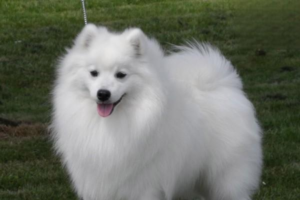
Why Is My Dog Vomiting Food and Having Diarrhea?
Vomiting undigested food and diarrhea can mean a contagious disease in an unvaccinated dog, or simple gastritis and a sudden diet change in adults. Distemper is a serious cause — starting with food vomiting, then weakness, fever, and tomato-like bloody stool. Treat only under a vet's care, with rest, warmth, and disinfection.