Search Results
106 results for “dog follicles”
How long does it take to repair a dog’s hair follicles?
Follicle repair time depends on damage degree and results. Mild inflammation can heal in one to two weeks with medication and a light diet, while severe cases may need about a month. Avoid greasy or additive-heavy food to prevent folliculitis.
What happens if a dog’s hair follicles are damaged?
Damaged follicles affect skin blood circulation, and dead follicles cannot regrow normal hair. Feed nutritious food and supplements like fish oil, lecithin, vitamins, and astaxanthin; apply a topical spot treatment, avoid strong ultraviolet light, and brush often.
How can I repair a dog’s damaged hair follicles that won’t regrow fur?
For damaged follicles, feed nutritious foods like fish oil, lecithin, vitamin B, and astaxanthin, and apply a growth-promoting spot treatment locally. Recovery is slow, so be patient, limit sun to avoid UV skin damage, and brush often to boost circulation. Deep damage may never regrow; let it be.

Common Causes and Treatment of Ringworm in Cats, Dogs, and Rabbits
Ringworm (dermatophytosis) is a highly contagious, zoonotic fungal infection that strikes animals with weak skin immunity — especially youngsters and those in damp, dirty surroundings — and can pass to humans. Treatment means isolating the pet, clipping and disinfecting lesions, antifungal sprays or ointments (plus oral antifungals and B-vitamins for severe cases, with liver support), and thorough environmental cleaning; rabbits need ivermectin-based mite control to prevent it. Keep the home dry and ventilated, bathe sparingly with pet shampoo, and use a little sunlight to stop outbreaks before they start.

Bathing a Dog with Sensitive Skin
Wet fur reveals hidden skin problems, so bathe a sensitive-skin dog with care: a non-slip mat, cool-to-lukewarm water, gentle massage (never against the grain), thorough rinsing, ear cleaning, and careful drying. Bathe every 7–10 days in warm seasons, 10–20 in cold — or as your vet directs.

How to Identify Dog Skin Problems
Dog skin disease is common and has many causes. The big three are external parasites (fleas, lice, ticks), mange mites (demodectic and sarcoptic), and allergies (acute or chronic) — each with distinct signs, and a vet confirms mites or infection under the microscope before you treat.
Caring for Your Dog’s Coat
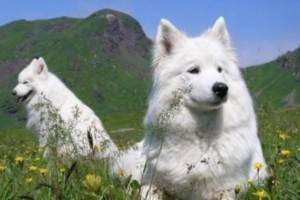
Dry, dull, or thinning fur usually means an unhealthy skin and coat. Fix it at the root: keep the living space clean, feed quality protein and omega-3 fish oil, bathe less with dog shampoo only, and control weight to aid circulation—plus daily brushing to stimulate the follicles.

Can Dogs Go Bald?
Dogs can lose patches of coat for many reasons—an autoimmune alopecia areata, follicular dysplasia in certain breeds, post-vaccine inflammation at the injection site, clipping stress, breed-specific pattern loss, a too-tight collar, or mites, allergies, hormones, and tumors. Most shedding can't be avoided, so deworm, disinfect, and brush regularly.
Handy Tips for Brushing Your Dog
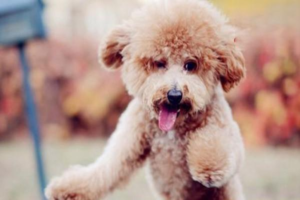
Regular brushing boosts coat renewal, cuts loose fur, and improves skin immunity — but only if done right. Use a dog-only comb, brush with the coat's direction (never reverse on long hair), keep pressure light over sensitive areas, and trim or gently loosen mats rather than yanking. Use the session to check the skin for parasites, redness, or eczema.

Treating Ovarian Cysts in Dogs
Ovarian cysts in dogs come in four types—follicular, luteal, epithelial tubule, and rete ovarii—with the first two most common, usually from hormonal imbalance and more frequent in older dogs. Diagnosis uses hormone tests and imaging, and treatment ranges from watchful waiting to hormone therapy or spaying (ovariohysterectomy).