Search Results
488 results for “dog fight”

How to Tell If a Cat and Dog Can Live Together
Cats and dogs fight mainly because of their natures, so owners who want both should understand why they clash before helping them get along. Cats are solitary and wary, dogs are social and curious, and a dog's size and prey drive can frighten a cat. Their body language also differs: a dog's wagging tail is friendly, but a cat's is a warning. They also compete for food and attention. The good news is many learn to coexist with patience: raise them young together, give each its own safe space and feeding area, swap scents first, choose calm breeds, and stay neutral as the owner.

Why Are Your Dog’s Eyes Red and Swollen?
Dogs are nearsighted and see few colors, but their eyes still reveal a lot about their health. Red, swollen eyes can come from something simple like a speck of dust or shampoo, an allergy to food or the environment, or infection by bacteria, fungus, or parasites after a scratch or fight. Built-in problems also play a role: eyelid malformation (entropion or ectropion) and misdirected lashes rub the eye and cause chronic irritation. Because redness can also signal illness such as a cold or distemper, a vet check is wise when signs persist.

Dog Vaccine Basics Every Owner Should Know
Core vaccines (must): distemper, parvovirus type 2, adenovirus type 2, rabies. Non-core (recommended by risk): parainfluenza, leptospira, Lyme, Bordetella, canine flu. Coronavirus vaccine is not recommended. 'X-in-1' just means how many diseases it covers; pick any combo containing core. Typical schedule: combo at 6, 9, 12 weeks, rabies at 14 weeks, then yearly. Stay 20–30 min post-shot to catch rare allergy (1.2%); skip baths 7–10 days, never vaccinate a sick dog, and don't buy vaccines online—use a clinic and keep the vaccine record for the license and travel.

Should You Hit Your Dog?
A dog trained mostly by hitting may obey, but it is not a happy dog—and hitting breeds fear, not understanding. Beatings leave a shadow: many hit dogs flinch at any hand ('hand-shyness'), fail the 'good citizen' test, and may bite when forced to be touched. The cycle worsens as strangers trigger growls that get punished. Instead of hitting, show authority without violence: interrupt bad behavior with a sharp 'no', push it off the bed, and build obedience through control of food and walks plus positive reinforcement. A well-socialized dog starts with never hitting.

6 Signs Your Dog Isn’t Getting Enough Exercise
A dog's exercise need depends on breed, age, and size. Some dogs play hard outdoors daily; others only stroll the neighborhood—but every dog needs a sensible amount of activity. So how do you know yours is under-exercised? Watch for six signs: destruction (a normally calm adult wrecking the home needs an outlet, not a beating); rough play (an usually gentle dog throwing its whole weight around with others); obesity (too much food, too little movement—common in seniors, though sudden weight gain can signal illness); restlessness (pacing at night, especially in small breeds that still need 10–20 minutes of indoor play); excessive barking (pent-up energy venting as noise); and lethargy (a depressed, uninterested dog). Puppies need several 5–10 minute sessions; adults 30–60+ minutes (or under 30–60 for low-need breeds); seniors 2–3 sessions of about 30 minutes. Remember: for most dogs exercise is a walk, but don't ignore mental stimulation—especially for dogs that can't go out.

The Secret in Your Dog’s Whiskers
We feel the world with our hands; dogs feel it through smell. But like us, they use more than one sense—and another is their whiskers. The thick hairs on a dog's muzzle, chin, and cheeks are vital: set deeper in the skin, they help the dog read the environment. Like human fingers, whiskers are highly sensitive; their follicles are packed with nerves and blood vessels, giving touch feedback straight to the brain faster than other routes. Studies show half the sensory region of a dog's brain connects directly to its whiskers. Whiskers also sense tiny air currents and vibrations—key to a dog's night vision. Some breeds use them like cats to judge if they fit through tight spaces, and in fights both dogs reflexively flick whiskers forward to threaten. Cutting whiskers does not impair spatial balance (despite the myth), but it does hurt—the follicles are full of nerves—so never cut them for looks.
Treating a Dog’s Vomiting from a Cold
When a dog vomits due to a cold or viral infection, treatment focuses on relieving fever, fighting secondary infection, and good nursing. Fever above 39°C can be eased with a mild injectable analgesic-antipyretic such as Bupleurum injection, dosed by size. Secondary bacterial infection is treated with penicillin or other antibiotics like cephalosporins or fluoroquinolones, preferably by injection. Keep the sick dog warm and well-nourished.

Senior Dog Vision Fading? Foods That Protect the Eyes
Eye disease is common in dogs—conjunctivitis, keratitis, glaucoma, cataracts—and over half of dogs past ten develop cataracts. Diet can slow that decline. Vitamin A from liver and carrot supports night vision; antioxidants like lutein, vitamins C and E, and anthocyanins guard the retina; omega-3 from fish eases dryness. Avoid overdoing vitamin A or raw food, and get seniors checked yearly.
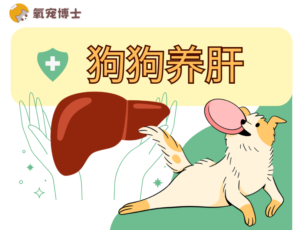
Foods That Support Your Dog’s Liver
The liver filters toxins, stores nutrients, and makes bile, yet it stays silent until heavily damaged—so daily support matters. Quality protein, cruciferous vegetables, and berries aid detoxification, while milk thistle, dandelion root, and omega-3s protect cells. Just as vital is what to skip: fatty foods, toxic items like chocolate, onion, and grapes, and human medicines that strain or poison the liver. Keep water flowing and weight healthy.

Why Is Your Dog’s Gum Pale? Don’t Ignore It—It Could Signal These Illnesses
A healthy dog's gums are pink and refill quickly after a light press. Pale or whitish gums often mean the body isn't getting enough oxygen—usually because of anemia or an underlying chronic disease. The causes range from nutritional and blood-loss anemia to kidney or liver problems and infections. Because pale gums can point to something serious, they deserve a prompt check rather than guessing at home.