Search Results
546 results for “dog fall”
How good is IAMS dog food?
IAMS was founded in 1946 in Ohio, USA; most products sold domestically are now produced by Shanghai Royal Pet Food Co. To meet different ages and sizes, IAMS offers small-breed adult, medium-large breed adult, and large-breed puppy lines. In terms of ingredients, IAMS may fall short of premium standards: its animal protein comes mainly from meat meal, and it adds wheat, barley, wheat flour, rice, and other grains. If your budget allows, a fresh-meat or high-end imported food is preferable.
Why Does a Mother Dog Eat the Umbilical Cord?
Eating the cord is instinct: it takes nutrients (protein, fat, carbs) to regain strength, and it protects the pups by removing the placenta and cord so other animals are not attracted.
How do dogs commonly pick up parasites?
Parasites are internal (roundworm, hookworm, tapeworm, heartworm) or external (fleas, mites, ticks, lice). Dogs pick up external parasites from grass/brush or infested animals, and internal parasites from raw meat, raw fish, or unwashed greens.

Symptoms of Demodectic Mange (Demodex) in Dogs
Demodectic mange is a very common skin disease in dogs, caused mainly by abnormal proliferation of Demodex mites. Every species, including humans, has its own mites. Demodex rarely causes disease in cats, horses, cattle, or people because it is not contagious. This article lists the skin signs and the juvenile and adult forms.

Diagnosis and Treatment of Dog Near-Drowning
Near-drowning is defined as survival for more than 24 hours after being fully submerged. This article explains the stages of near-drowning, how fresh and salt water differ, and the diagnostic tests and treatments veterinarians use.

Symptoms and Treatment of Dehydration in Dogs
Dehydration occurs when the body's water falls below normal levels, usually involving loss of water and electrolytes such as sodium, chlorine, and potassium. This article describes the signs of dehydration in dogs, how it is diagnosed, and how it is treated.

Causes and Diagnosis of Dehydration in Dogs
Dehydration can be caused by many diseases or abnormalities, which fall into two broad categories: reduced fluid intake and increased fluid loss. This article explains the common causes and how veterinarians grade dehydration severity by skin elasticity and lab tests.
Tips for Caring for an Older Dog
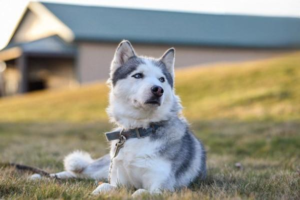
Age is not a disease, but senior dogs need help: add rugs for traction on slick floors, raise food bowls to shoulder height, keep them cool in summer, use car ramps and indoor steps, give an orthopedic bed, and keep both body and mind active with short outings and new games.

What to Do When Your Dog Is Limping
Lameness — reduced weight-bearing or movement in a limb — can range from mild to severe, affect one or more legs, and come and go. Causes span trauma to chronic arthritis. Here is how the vet evaluates and treats it.

Chylothorax in Dogs: Causes and Diagnosis
Chylothorax is the buildup of chyle — a milky lymphatic fluid — in the chest. Finding and treating the underlying cause is the key step; many cases are idiopathic. Here is how the condition develops and how vets confirm it.