Search Results
546 results for “dog fall”

Which Dog Behaviors Are Calls for Help?
Dogs are family members, and owners care for them intimately, so when a dog falls ill the owner is anxious. Dogs can't speak and express discomfort only through body language. Today we discuss which dog behaviors are asking for help.

What to Do When a Dog Can’t Pass a Swallowed Bone
A dog's digestion can't handle large bones; if swallowed whole they may lodge and never pass. How to help it out? This article explains.

Symptoms of Calcium Deficiency in Senior Dogs
Senior dogs' bodies decline, so calcium absorption falls and bone loss rises, easily causing osteoporosis. For a happy old age, this article covers the symptoms and how to supplement calcium.

Think Kidney Failure in Dogs Is Rare? Think Again
Canine kidney failure is common—the 4th leading cause of dog death. Unlike cats, it often follows periodontal bacteria or heart disease. Signs are more drinking/urinating, mouth ulcers, anorexia, and weight loss. Manage with diet (controlled phosphorus and protein) and supervised feeding.
What Causes Dog Diarrhea, and How to Treat It?
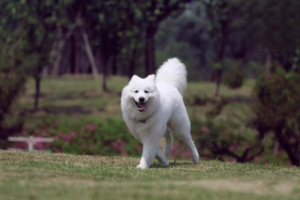
Diarrhea comes from wrong feeding (sudden food change, cold foods, milk), lack of warmth, or infectious disease; late deworming means parasites. Fix with probiotics and fasting, keep warm, and see a vet for infection.

Why Does Your Dog Have Toothache, and What to Do?
Dog toothache comes from teething, periodontitis, or gingivitis. Brush daily with dog-safe methods—wipe with gauze, use garlic-juice cotton, never human toothpaste, and brush gently.

Why Do Dogs Get Pneumonia?
Pneumonia brings cough, shallow breathing, fever, low appetite, and fatigue. It stems from inhaled smoke or irritants, aspirated food, secondary disease, viruses (parainfluenza, canine flu), bacteria (E. coli, Pseudomonas, Streptococcus, Pasteurella), or chest trauma.
When Should You Switch Your Dog’s Food
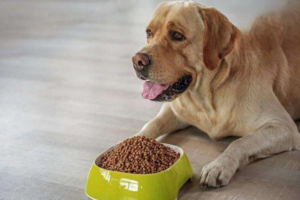
Switch dog food at weaning, adulthood, and senior years, or when the coat dulls, energy drops, or obesity appears. Use a gradual 7-day transition to avoid gut upset; keep the brand stable otherwise.

Bacterial Infections in Dogs and Cats: Symptoms and Medications
Bacterial infections in dogs and cats range from leptospirosis and Lyme disease to E. coli, brucellosis, pasteurellosis, staph, and salmonella. This guide summarizes each disease's signs and the drugs and prevention that matter most.

Can a Dog’s Urinary Stones Be Treated Without Surgery?
Early, small urinary stones in dogs can often be managed with medication and diet alone, avoiding surgery. This guide explains when surgery is needed, the non-surgical treatment options, and the dietary changes that help dissolve and prevent stones.