Search Results
546 results for “dog fall”

New Puppy Home: A Complete Pitfall-Avoidance Guide
Let's talk about behaviors a puppy should avoid in a new environment.

Precautions for a Dog Coming Home
For new owners, the worst is a puppy falling ill at home. So a just-arrived dog needs careful care - how to feed, drink, deworm, vaccinate and do simple training.

Why Is My Dog Losing Fur on Its Tail?
Why does a dog lose fur in patches on the tail? Tail hair loss can also be caused by parasites - especially in big-tailed dogs with thick, dense coats, where poor grooming and cleaning can lead to infestations.
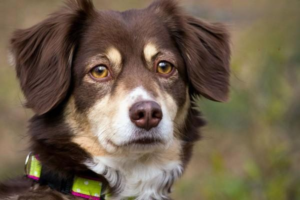
Why Do Dogs Like to Eat Snow?
Most dogs eat snow mainly because they are dehydrated in winter's dry air, not because they enjoy it. Fresh snow is only about 5% water, so offer fresh water instead of letting them lick old snow.

Household Items That Are Dangerous to Dogs (Part 1)
Electrical cords, many common houseplants, fragile glassware, forbidden human foods, and cleaning chemicals are silent killers lurking in every home. Learn which ones to keep away from your dog.
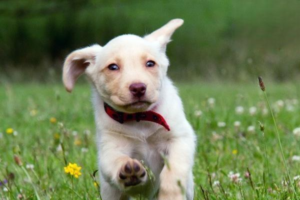
Household Items That Are Dangerous to Dogs (Part 2)
Beyond the obvious hazards, cockroach bait, loose cords, sharp objects, falls from heights, and even a stubborn owner's decorating habits can all put a dog in danger at home.
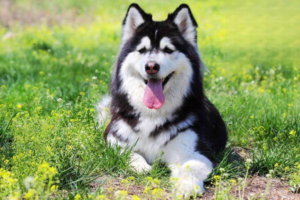
What Causes Diarrhea in Dogs
In our daily life, dog diarrhea is common. There are many causes; owners must not take it lightly, because diarrhea may signal other diseases, so find the specific cause for correct treatment. So how do dogs get diarrhea?

How to Tell What Personality Type Your Dog Has
Every dog is an individual, but their temperaments generally fall into five broad types. By observing how your dog reacts while walking, playing, and being left alone, you can read its mood signals and build a closer, better-trained relationship.

The Benefits of Walking Your Dog
Daily walks satisfy a dog's natural need to move and protect both body and home. They build immunity, support mental health, prevent destructive chewing and strengthen your bond. Aim for 20-30 minutes for small dogs and 30-60 for larger ones.
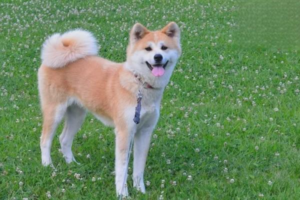
When Does a Dog Become a Senior?
Dogs enter old age around age 10 on average, with larger breeds aging sooner than smaller ones. Watch for loosening teeth, fading coat color, slower movement and dulled senses. Senior care means softer food, gentle grooming and more companionship.