Search Results
212 results for “dog eyes”
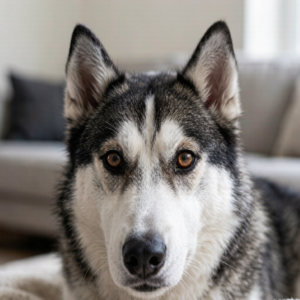
What Colors Can Dog Eyes Be?
Dog eye colors vary widely: brown, black, and blue are most common, while green and gold are rarer, and some dogs show heterochromia, or two different-colored eyes. Color is genetic, but age, health, and environment can change it over time. Puppies are born with light eyes that darken with age. Whatever the shade, each pair is unique, so watch and care for your dog's eyes, cleaning them regularly and seeing a vet at the first sign of trouble.
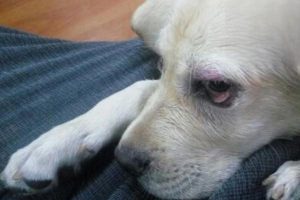
Red, Swollen Dog Eyes That Won’t Open
Red, swollen eyes that will not open can come from heat, a foreign object, infection, eyelid inversion, keratitis, or corneal ulcer. Work out the cause, then use the right drops or see a vet, since some need surgery.
Why Dogs Get Tear Stains and Dirty Fur Around the Eyes
Dog eyes connect to the nose, so when the nasolacrimal duct is blocked or swollen by inflammation, tears cannot drain or evaporate and spill out. Tear stains form when tears and other eye discharge sit uncleaned on the fur and oxidize into dark marks - most visible on light-colored coats. Causes split into innate (flat-faced breeds like Pugs, Bulldogs, Exotic and Persian cats have tight ducts), disease (ear infection, entropion, dacryoadenitis, conjunctivitis), and habits (salty food, overlong fur poking the eye). Clean gently with a boric-acid cotton ball or cool water from the inner corner outward, then apply eye drops; genetic stains need patient, regular care.
Why Are Your Dog’s Eyes Red and Swollen?
Dogs are nearsighted and see few colors, but their eyes still reveal a lot about their health. Red, swollen eyes can come from something simple like a speck of dust or shampoo, an allergy to food or the environment, or infection by bacteria, fungus, or parasites after a scratch or fight. Built-in problems also play a role: eyelid malformation (entropion or ectropion) and misdirected lashes rub the eye and cause chronic irritation. Because redness can also signal illness such as a cold or distemper, a vet check is wise when signs persist.
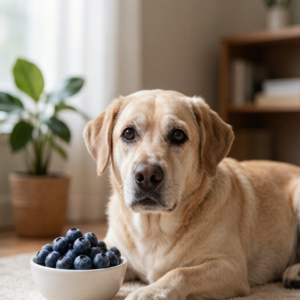
Senior Dog Vision Fading? Foods That Protect the Eyes
Eye disease is common in dogs—conjunctivitis, keratitis, glaucoma, cataracts—and over half of dogs past ten develop cataracts. Diet can slow that decline. Vitamin A from liver and carrot supports night vision; antioxidants like lutein, vitamins C and E, and anthocyanins guard the retina; omega-3 from fish eases dryness. Avoid overdoing vitamin A or raw food, and get seniors checked yearly.
Can I use human eye drops for my dog’s red eyes?
Generally, no — a dog's eye structure and drug response differ from ours, and human drops may contain ingredients that cause redness, swelling or allergic reaction and can worsen the problem. Have a vet prescribe the right medication.
Why are my dog’s eyes swollen, red, and unable to open?
Swollen, red eyes that won't open can result from eye infection, allergies, trauma, or other eye conditions, so a vet visit to confirm the cause is recommended. If a clinic isn't immediately accessible, clean the eye with a damp towel and apply a pet-specific antibacterial eye drop or erythromycin ointment while monitoring for improvement. If there's no relief, stop the medication and see a vet promptly.
Why are my dog’s eyes red, swollen and unable to open?
Red, swollen, cannot-open eyes in a dog can signal infection, allergy, trauma or another eye disease. See a vet; if not possible, clean with a damp cloth and use a pet antibacterial eye drop or erythromycin ointment.
What medicine should I use for a dog’s red, swollen, ulcerated skin around the eyes?
Red, swollen, ulcerated skin around a dog's eyes can come from parasites, conjunctivitis, keratitis, allergies or trauma. Use antibacterial/antifungal drops for infections; see a vet for a confirmed diagnosis.
What causes a dog’s eyes to turn red?
A dog's red eyes can come from diet-related 'heat,' a foreign object, ingrown eyelashes, allergy, or eye disease (conjunctivitis, keratitis). Rinse with saline, then use chloramphenicol drops; if unsure or not improving, see a vet.