Search Results
26 results for “dog excessive urination”

Types of Heart Disease in Rabbits
Rabbits can develop several types of heart disease—congestive heart failure, congenital defects, arrhythmias, cardiomyopathy, valve disease, and vascular disease. Most are rare and hard to spot early, so know the signs and don't panic.
What Happens If a Golden Retriever Eats Salt Often?
A Golden Retriever that eats too much salt frequently can develop kidney problems such as nephritis or kidney stones, causing frequent urination, urgency, and blood in the urine, which can be life-threatening. Excess salt also raises blood pressure and heart-disease risk.
What Is Diabetes in Cats?
Feline diabetes develops when a cat's body makes too little insulin or responds poorly to it. Without enough insulin, excess sugar spills into the urine and cells starve, sometimes producing toxic ketones. Signs include ravenous appetite with weight loss, dull coat, excessive drinking and urination, and sweet-smelling urine. Diagnosis uses blood and urine tests, while treatment centers on insulin injections, lifelong in most cases. With careful monitoring, diabetic cats can live comfortably for years.

Canine and Feline Hyperadrenocorticism (Cushing’s Syndrome)
Hyperadrenocorticism, or Cushing's disease, is an endocrine disorder in which the adrenal glands overproduce cortisol, most often because of a pituitary tumor. It causes increased thirst and urination, a ravenous appetite, muscle wasting, a pot-bellied appearance, and symmetric hair loss, and usually requires lifelong management.
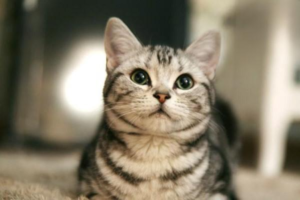
Foods That Are Toxic to Cats
Unlike dogs, many things people can eat harm cats. Some seasonings also burden a cat's body.

Causes of Feline Phobias
Fear is a normal response to threatening stimuli, but when it becomes excessive and irrational it crosses into phobia. This article explains the possible triggers of feline phobias, how they develop through innate and learned pathways, the sensitive period of kitten socialization, and how to prevent fear from becoming a lifelong problem.
- « Previous
- 1
- 2
- 3