Search Results
28 results for “dog eating poop”
How to stop a dog from eating poop?
After the dog defecates, quickly pull the leash to move it aside, then clean up the feces. You can also train it by stopping and scolding the behavior when it tries to eat poop, and rewarding it when it ignores the feces. Consistency helps break the habit.
Does a Dog Poop Blood After Eating Onions?
Onions can cause blood in urine, not stool, by destroying red cells and causing hemolytic jaundice. Severe cases can be fatal; see a vet if eaten.
Why is my dog not eating and pooping blood?
Blood in stool with no appetite may be parvovirus, internal parasites, intestinal scraping, or poisoning — see a vet. Bone/foreign-object scraps can lightly scratch the gut (try anti-inflammatory first); lethargy+vomiting+no appetite suggests virus/poison; overdue deworming needs a fecal test first.
How Long After Eating Does a Dog Need to Poop?
A dog usually defecates 30 minutes to 2 hours after a meal. Puppies on moist food digest fast and may go in 15–30 minutes; adults on kibble take 1–2 hours. Walk your dog after meals, but avoid intense exercise right after eating to prevent gastric spasm or vomiting.
How to Stop Your Dog From Eating Poop
The old saying that a dog can never be trained out of eating stool is unfair - coprophagia can be corrected with patience. The first move is to remove the opportunity: clean up after every bowel movement and keep the dog on a leash and in sight on walks so it cannot snatch another dog's waste. If you catch the behavior, interrupt and correct it calmly without physical punishment, and use gentle training to redirect it. You can also make stool less appealing by adding a taste it dislikes, then letting the dog investigate. Finally, rule out hunger: feed regular, balanced meals so the dog is never driven to eat stool by an empty stomach.
How to Stop a Dog From Eating Its Own Poop
Eating its own stool is a common dog behavior, usually harmless but sometimes a sign of a problem. Causes range from missing nutrients and youth or pregnancy, to lack of training, boredom, or illness such as pancreatitis. To correct it: feed a complete diet with added trace minerals and vitamins, clean up stools promptly, interrupt with a firm 'leave it' and reward stopping, and as a last resort make the stool unpalatable with a safe deterrent. If the habit persists despite these steps, consult a veterinarian to rule out a medical cause. Patience and consistency are what break the cycle.
My dog had watery diarrhea for two days, got two shots at the hospital, then didn’t poop for a day, passed normal stools last night, but at noon today had bloody diarrhea again
Recurring bloody diarrhea is from intestinal disease—poor digestion, absorption trouble, gut injury, parasites, enteritis, or virus. If the dog is alert and eating, withhold food and water, give probiotics plus pet anti-inflammatory and anti-diarrhea medicine (not human drugs). If it is weak, see a vet for X-ray, blood, and stool tests.
What happens if a dog eats a lot of poop?
Eating lots of poop easily leads to bacterial and parasite infection, with vomiting, diarrhea, appetite loss, lethargy, weight loss, and rough coat. Eating poop carrying distemper or parvovirus can cause fatal viral disease. Stop the behavior, feed on schedule to avoid hunger, and address possible trace-element deficiency.
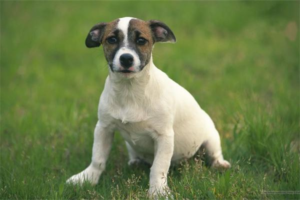
Why Does a Dog Eat Its Own Poop?
Many find it unbelievable, but dogs eat their poop for reasons. Find the cause and correct the habit. Here are the reasons a dog eats its own stool.
What happens if a puppy eats dog poop?
A puppy eating dog poop usually leads to problems. First, poop contains many bacteria and pathogens such as parasites, bacteria, and viruses, which can cause diarrhea, vomiting, and appetite loss. Second, those pathogens can spread to other dogs or humans. Stop the behavior and see a vet if symptoms appear.